Asphalt Shingle vs. Metal Roofing: Which Is Better for Illinois Homes?
May 28, 2026
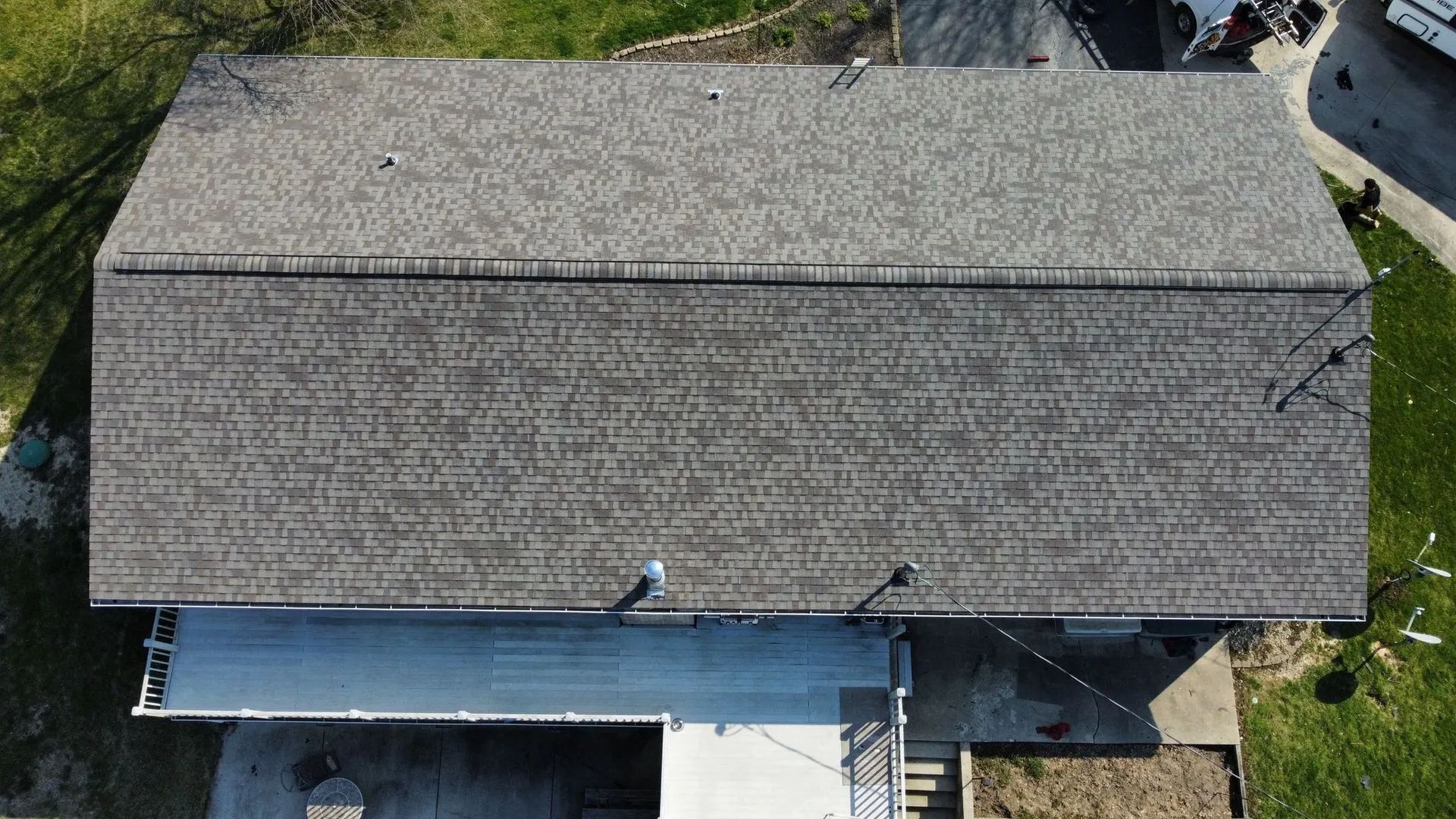
Illinois homeowners face roofing challenges that vary dramatically throughout the year. Heavy snowfall during winter, spring storms, strong summer heat, hail events, and fluctuating temperatures place constant pressure on residential roofing systems. Choosing the right roofing material is not only about appearance but also about long-term protection, maintenance costs, durability, and energy performance. Among the most common roofing options available today, asphalt shingles and metal roofing remain two of the most widely discussed choices for residential properties across Illinois.
Many property owners struggle to determine which roofing system provides the best value for their home, climate, and budget. Asphalt shingles continue to dominate the residential roofing industry because of affordability and design flexibility, while metal roofing has gained popularity for its durability and lifespan. Comparing installation requirements, energy efficiency, storm resistance, maintenance needs, and long-term costs can provide clearer direction before investing in a new roof replacement project.
Comparing Material Composition and Structural Performance
How Asphalt Shingles Are Manufactured
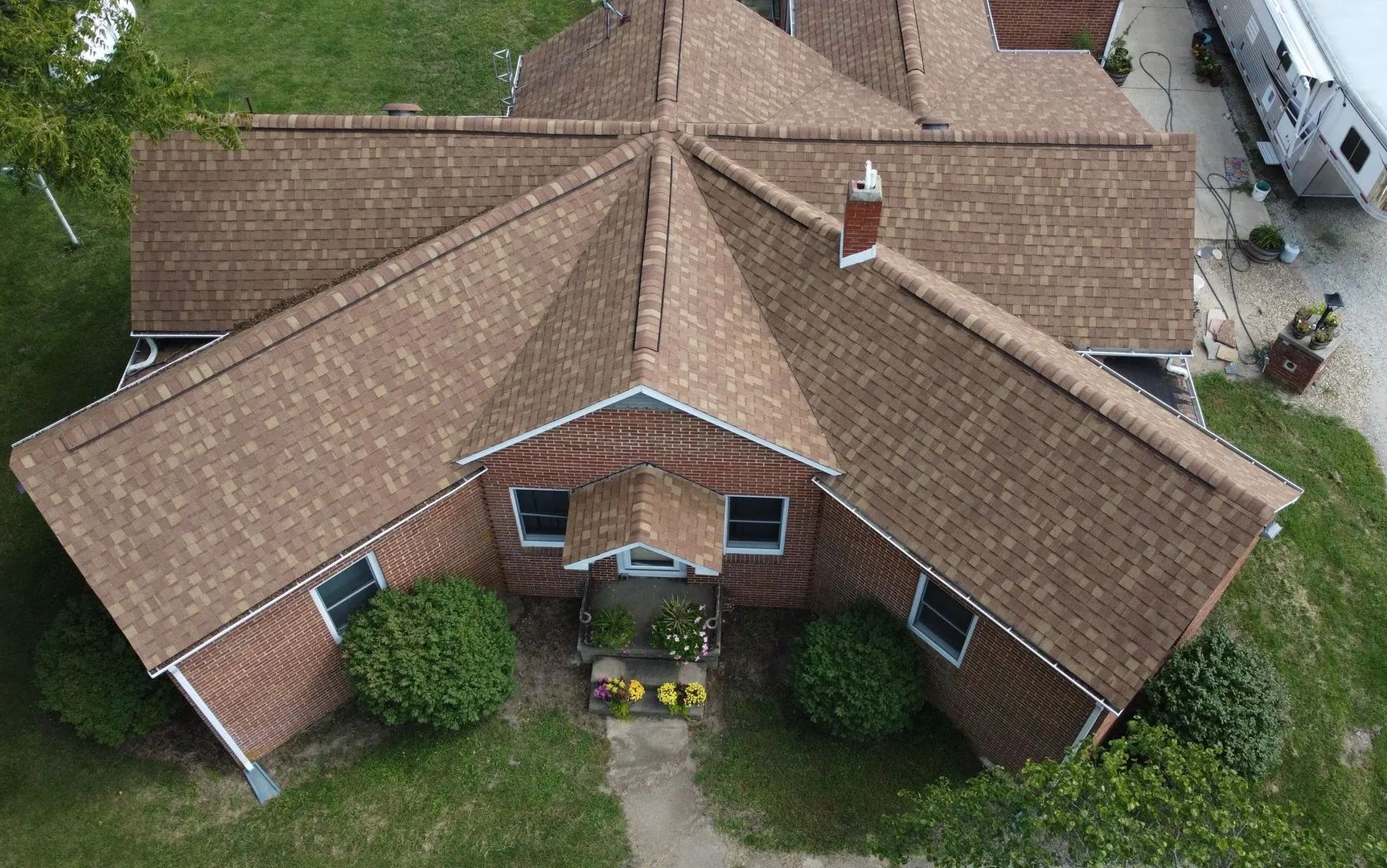
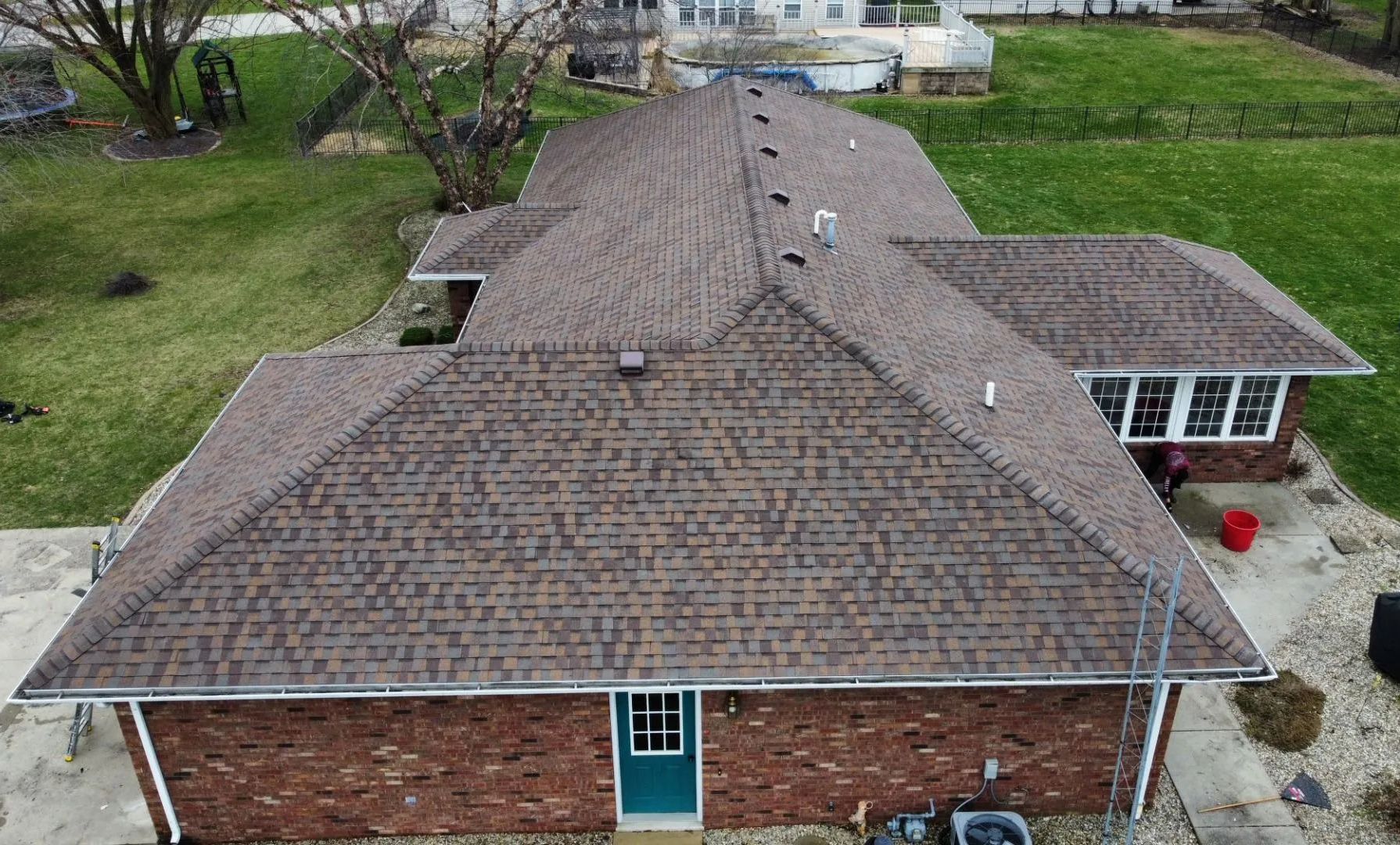
Asphalt shingles are constructed using a fiberglass or organic base mat coated with asphalt and mineral granules. These shingles are designed to provide water resistance, UV protection, and layered durability while maintaining a relatively lightweight structure. Architectural shingles, dimensional shingles, and three-tab shingles represent the most common categories used on Illinois homes.
Architectural shingles have become especially popular because they offer improved wind resistance, thicker construction, and enhanced curb appeal compared to traditional three-tab products. Many homeowners prefer asphalt shingles because they blend well with different residential styles, from suburban developments to historic homes throughout Illinois communities.
How Metal Roofing Systems Are Built
Metal roofing systems are typically manufactured from steel, aluminum, zinc, or copper panels coated with protective finishes to resist corrosion and weather exposure. Standing seam metal roofs are among the most durable and visually modern options available for residential properties.
Unlike asphalt shingles, metal roofs use interlocking panels or fastening systems that create strong weather-resistant barriers. These systems shed snow and rain more efficiently, reducing moisture retention during harsh Illinois winters. Metal roofing also expands and contracts differently than shingles during temperature fluctuations, which affects long-term structural performance.
Performance During Severe Illinois Weather
Illinois experiences tornado activity, hailstorms, heavy rain, snow accumulation, and seasonal freeze-thaw cycles. Roofing materials must withstand repeated exposure to moisture and temperature shifts without premature deterioration.
Asphalt shingles perform well under moderate weather conditions but may become vulnerable during high winds or severe hail impact. Granule loss, curling edges, and cracking may appear sooner in regions exposed to frequent storm activity.
Evaluating Installation Costs and Long-Term Value
Initial Roofing Investment Differences
One of the largest deciding factors for homeowners involves upfront roofing costs. Asphalt shingles remain the more affordable roofing option for most residential projects. Material costs, labor requirements, and installation timelines are generally lower compared to metal roofing systems.
For homeowners managing tight renovation budgets or preparing properties for short-term ownership, asphalt shingles often provide a practical solution. Roof replacement projects can typically be completed faster, reducing labor expenses and minimizing disruption.
Metal roofing requires a larger initial investment because of specialized materials, fabrication processes, and installation expertise. Standing seam systems, concealed fasteners, and custom flashing details increase labor complexity and overall project pricing.
Long-Term Cost Considerations
Although asphalt shingles cost less initially, they may require replacement sooner than metal roofing systems. Depending on product quality and weather exposure, asphalt roofs often last between 15 and 30 years.
Metal roofing systems can last 40 to 70 years when properly installed and maintained. Homeowners planning to remain in their property long term may recover higher installation costs through reduced maintenance, fewer repairs, and delayed replacement expenses.
Insurance and Property Value Factors
Insurance companies sometimes offer discounts for impact-resistant or fire-resistant roofing systems. Certain metal roofing products may qualify for premium reductions because of their durability and storm performance.
Metal roofing can also increase resale appeal for buyers seeking energy efficiency and long-term reliability. However, asphalt shingles remain attractive to buyers because of familiar appearance and lower replacement costs. The best return often depends on local housing markets and neighborhood expectations throughout Illinois communities.
Energy Efficiency and Seasonal Climate Benefits
Heat Reflection and Cooling Performance
Summer temperatures across Illinois can increase attic heat levels significantly. Roofing materials influence indoor comfort and energy consumption by affecting heat absorption and ventilation performance.
Traditional dark asphalt shingles absorb more solar heat, which can increase attic temperatures during peak summer months. Proper attic ventilation and insulation help offset this issue, but roofing color and material still play an important role in overall efficiency.
Metal roofing reflects more solar radiation than many asphalt products. Reflective coatings and lighter finishes can reduce heat transfer into attic spaces, helping homeowners lower cooling demands during warmer weather.
Winter Insulation Considerations
Some homeowners mistakenly believe metal roofing creates colder indoor conditions during winter. In reality, insulation quality and attic ventilation have a greater impact on indoor temperature retention than roofing material alone.
Asphalt shingles provide layered insulation benefits because of their dense composition and overlapping installation pattern. However, modern metal roofing systems combined with quality underlayment and attic insulation can also perform very well during Illinois winters.
Moisture Management and Ventilation
Illinois weather often creates moisture-related roofing concerns including condensation, ice dams, and attic humidity buildup. Proper ventilation remains critical regardless of roofing material selection.
Metal roofing sheds water rapidly and minimizes moisture retention on roof surfaces. Asphalt shingles absorb more heat and retain moisture longer after rain or snow events. Over time, trapped moisture may contribute to mold growth, underlayment deterioration, or deck damage if ventilation systems are inadequate.
Maintenance Requirements and Repair Expectations
Common Asphalt Shingle Maintenance Needs
Asphalt roofs require periodic inspections to identify cracked shingles, missing tabs, granule loss, and storm damage. Strong winds can loosen shingles, while hail may weaken protective surfaces without immediately visible leaks.
Routine maintenance often includes replacing damaged shingles, sealing flashing areas, and clearing debris from valleys and gutters. Moss and algae growth may also appear on shaded roof sections in humid conditions.
Although repairs are usually affordable, asphalt roofing systems often require more frequent maintenance throughout their lifespan.
Metal Roof Maintenance Expectations
Metal roofing generally requires less maintenance because panels resist cracking, moisture absorption, and biological growth. However, inspections remain important for checking fasteners, flashing integrity, and sealant conditions around penetrations.
Paint finishes and protective coatings may eventually require touch-ups after years of exposure. Debris accumulation should also be removed to maintain proper drainage and prevent scratching.
One advantage of metal roofing involves repair localization. Individual panels can sometimes be replaced without disturbing large roof sections.
Storm Damage Repair Challenges
Repair complexity differs significantly between the two systems. Asphalt shingles are easier for many contractors to repair because replacement materials are widely available.
Metal roof repairs may require specialized fabrication, panel matching, and experienced installation techniques. If older panel styles become discontinued, matching existing sections can become more difficult during future repairs.
Homeowners should consider local contractor availability before choosing a roofing system. Experienced metal roofing professionals may not be as common in some areas compared to asphalt shingle installers.
Determining the Best Roofing Choice for Different Homeowners
When Asphalt Shingles Make More Sense
Asphalt shingles may be the better choice for homeowners seeking affordability, faster installation timelines, and broad design flexibility. They remain practical for properties where budget limitations, neighborhood consistency, or shorter ownership timelines influence roofing decisions.
Homeowners planning to sell within several years may appreciate the lower upfront investment while still improving curb appeal and weather protection. Asphalt roofing also works well for complex roof designs with multiple angles, valleys, and penetrations.
When Metal Roofing Becomes the Better Investment
Metal roofing often provides greater long-term value for homeowners prioritizing durability, storm resistance, energy efficiency, and reduced maintenance. Rural homes, large residential properties, and structures exposed to frequent severe weather may benefit from metal roofing performance.
Homeowners intending to remain in their property for decades may recover installation costs through extended roof lifespan and reduced replacement frequency.
Importance of Professional Roof Evaluation
No roofing material offers universal superiority for every home. Factors such as roof pitch, attic ventilation, insulation quality, drainage design, and structural condition all influence roofing performance.
Professional inspections help determine whether asphalt shingles or metal roofing better suits a specific property. Climate exposure, surrounding trees, budget goals, and future maintenance expectations should all be evaluated before finalizing a roofing decision.
Climate and Plant Selection
Selecting appropriate vegetation is crucial for the success of green roofs in the Mid-Atlantic region. Native and drought-tolerant plants are ideal, ensuring survival during dry spells and high-intensity storms. Sedums, grasses, and other hardy species maintain runoff retention and resist seasonal stress, supporting regulatory compliance throughout the year.
Skilled Roofing Contractors Supporting Residential Property Durability
Choosing between asphalt shingles and metal roofing requires careful consideration of durability, appearance, cost, maintenance, and long-term performance under Illinois weather conditions. Both roofing systems provide valuable benefits when installed properly, but the right option depends on each homeowner’s priorities, budget, and property needs. Understanding how each material responds to seasonal storms, temperature fluctuations, and long-term exposure allows homeowners to protect their investment with greater confidence.
At Guardian Roofing PLLC, we provide professional roofing and exterior services designed to help Illinois homeowners make informed decisions based on practical performance and long-term value. With 40
years of industry experience serving Sullivan, Illinois, we understand how Midwest weather impacts residential roofing systems throughout every season. We work closely with property owners to evaluate roofing conditions, explain material options, and recommend solutions that align with structural requirements, energy goals, and budget expectations. Our commitment to quality installation, honest communication, and reliable roofing support helps homeowners protect their properties while improving long-term exterior performance across Illinois communities.
Share this article