
What to Do After Storm Damage: A Step-by-Step Homeowner Guide
June 29, 2026
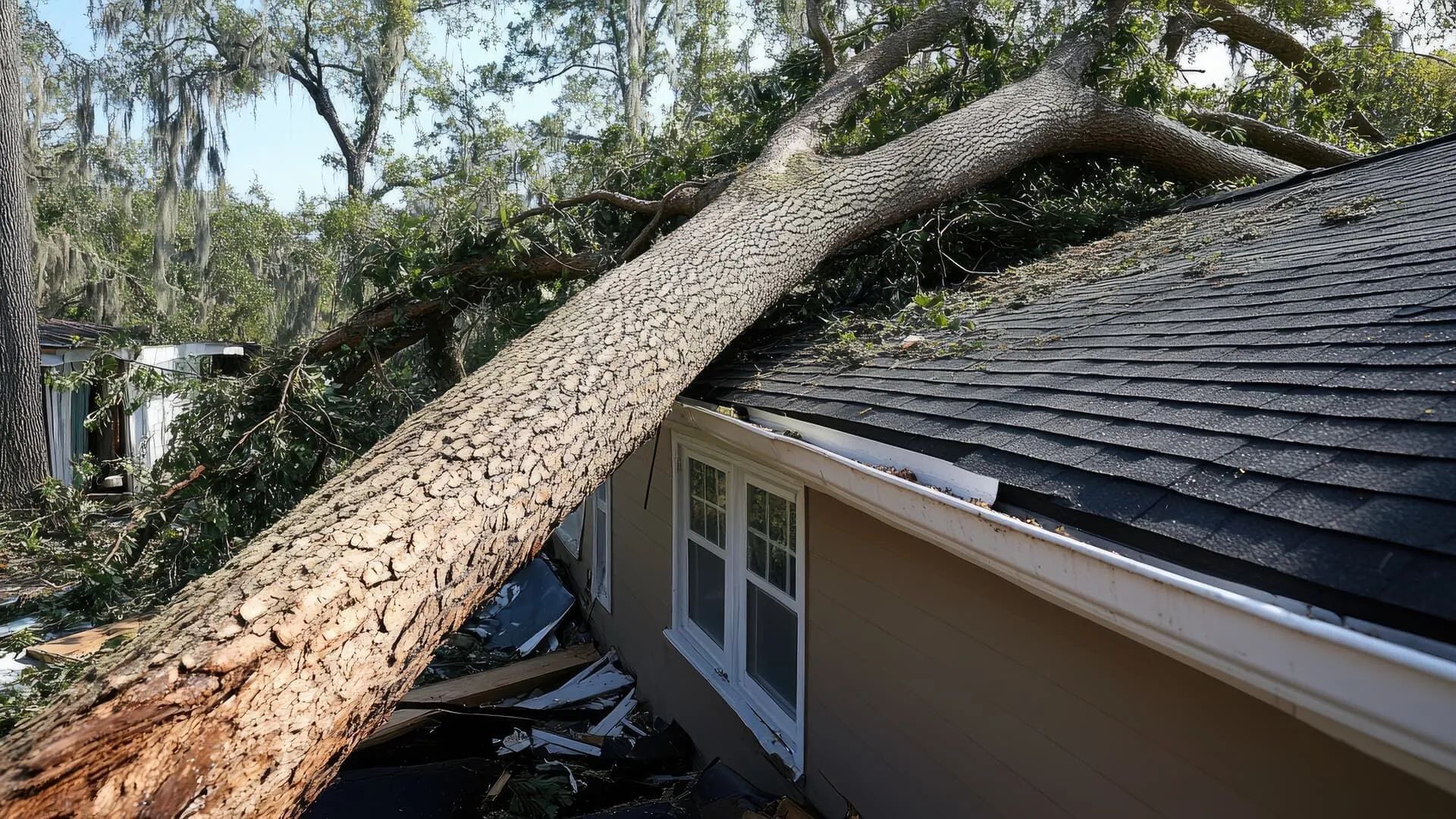
The wind finally settles, the rain trails off, and you step into the yard to find shingle granules washed into the driveway, a strip of bent flashing in the grass, and a branch resting somewhere it has no business being. From the ground the roof looks mostly intact, but you already know that fine from the driveway and fine up close are two very different things.
Here is the most important thing to do first: stay off the roof, slow down, and document everything before you touch a single piece of debris. Storm damage is rarely as obvious as a hole in the ceiling. The damage that hurts you most is the kind you cannot see from below, where lifted shingles and cracked seals let water work under the deck over weeks. After walking thousands of these inspections across central Illinois, the pattern holds. Homeowners who move carefully and record what they find protect both their home and their claim. The ones who rush usually lose ground on both.
Climate and Plant Selection
Selecting appropriate vegetation is crucial for the success of green roofs in the Mid-Atlantic region. Native and drought-tolerant plants are ideal, ensuring survival during dry spells and high-intensity storms. Sedums, grasses, and other hardy species maintain runoff retention and resist seasonal stress, supporting regulatory compliance throughout the year.
Start Here: The First Hours After the Storm
Your job right now is to make the home safe and capture what you see, in that order. Work through these steps before you call anyone.
- Check inside the house first. Look at ceilings, around light fixtures, and in upstairs corners for fresh stains, bubbling paint, or active drips.
- Walk the attic with a flashlight. Wet insulation, daylight through the deck, or water tracks on rafters tell you more than the exterior ever will.
- Walk the perimeter at ground level. Photograph fallen branches, scattered shingles, dented gutters, and debris before you clean any of it up.
- Note the date, the time, and what the storm did. Hail, straight line wind, and a fallen limb each leave a different signature.
- Catch active leaks from inside with a bucket and protect your belongings. Resist the urge to climb up and tarp it yourself.
WARNING: Never climb onto a wet or storm hit roof, and never go near a downed power line or a limb tangled in one. Wet shingles are slick, decking weakened by water can give way underfoot, and a branch that looks dead can carry live current. A fall from a single story roof can change your life. Waiting for us here is not caution, it is common sense.
TIP: Photograph your gutters and downspouts the same day. Hail and debris collect in them, and the granule buildup you find there is often the clearest early sign your shingles took a beating, even when the roof looks untouched from below.
Climate and Plant Selection
Selecting appropriate vegetation is crucial for the success of green roofs in the Mid-Atlantic region. Native and drought-tolerant plants are ideal, ensuring survival during dry spells and high-intensity storms. Sedums, grasses, and other hardy species maintain runoff retention and resist seasonal stress, supporting regulatory compliance throughout the year.
How to Read What the Storm Actually Did
Damage falls into a few recognizable patterns, and reading them tells you how urgent the situation is. Wind is the most common culprit on central Illinois roofs. Gusts above 50 miles per hour pry under the lower edge of a shingle, break the sealant strip that bonds each course to the one below, and leave shingles lifted or peeled back. Once that seal lets go, the shingle flaps in every breeze that follows and driven rain rides straight underneath.
Hail leaves a different mark. Rather than lifting shingles, it bruises them, knocking loose the protective granules and exposing the soft mat below. A bruise the size of a quarter looks minor but is a future leak that has simply not announced itself. Impact from branches is the most obvious of the three, with punctures or cracked decking that need attention within days.
The damage to worry about most is the kind that travels. A single lifted shingle near a valley or chimney can let water move three to six feet under the deck before it ever shows up as a ceiling stain, and by then the felt and deck have already been wet for a while.
Climate and Plant Selection
Selecting appropriate vegetation is crucial for the success of green roofs in the Mid-Atlantic region. Native and drought-tolerant plants are ideal, ensuring survival during dry spells and high-intensity storms. Sedums, grasses, and other hardy species maintain runoff retention and resist seasonal stress, supporting regulatory compliance throughout the year.
Documenting Damage So It Counts
Good documentation is the difference between a smooth claim and a frustrating one. Treat your phone like an inspector's notebook. Take wide shots of each side of the house, then move in close on every damaged area. Capture the granules in the gutters, the dents in soft metal vents and flashing, the bruised shingles, and any interior staining. Photograph yard debris before you clear it, since a limb on the lawn is part of the story.
Write down the date of the storm and save any weather alerts you received. Keep receipts for anything you buy to prevent further damage, like a tarp or a bucket. The goal is a clear timeline that ties one specific storm to specific damage. When we inspect, that record lets us match what we find on the roof to what you captured below, which makes the whole process faster for you.
Climate and Plant Selection
Selecting appropriate vegetation is crucial for the success of green roofs in the Mid-Atlantic region. Native and drought-tolerant plants are ideal, ensuring survival during dry spells and high-intensity storms. Sedums, grasses, and other hardy species maintain runoff retention and resist seasonal stress, supporting regulatory compliance throughout the year.
Working With Your Insurance the Right Way
Call your carrier early, but inspect before you commit. Once you report damage, an adjuster is scheduled to assess the roof, and the strongest position you can hold is to already know what is up there. A professional inspection beforehand gives you a clear picture, so nothing gets missed and nothing genuinely storm related gets waved off as ordinary wear.
We walk the roof, mark every bruise and lifted shingle, check the flashing and seals, and build a record that lines up with your photos. When the adjuster arrives, having someone present who can point to each finding keeps everyone working from the same facts. The point is to make sure the full extent of the damage is seen and counted, not just the parts that are easy to spot from a ladder.
Climate and Plant Selection
Selecting appropriate vegetation is crucial for the success of green roofs in the Mid-Atlantic region. Native and drought-tolerant plants are ideal, ensuring survival during dry spells and high-intensity storms. Sedums, grasses, and other hardy species maintain runoff retention and resist seasonal stress, supporting regulatory compliance throughout the year.
Why Storms Hit Central Illinois Roofs Harder
Roofs around Sullivan take a specific kind of punishment that changes how storm damage behaves here. Spring and summer bring fast moving systems loaded with straight line wind and hail, and the open farmland surrounding town offers little to slow a gust before it reaches your ridge. A roof that would shrug off wind in a sheltered subdivision sits fully exposed out here.
Winter then flips the problem. The freeze and thaw cycle works any small crack or lifted edge harder each night, widening gaps a summer storm started. A bruise from a July hailstorm you never noticed can become a January leak once water settles in, freezes, and expands. That seasonal one two punch is exactly why we tell folks not to let storm damage sit through a season, even when the roof looks fine for now.
Climate and Plant Selection
Selecting appropriate vegetation is crucial for the success of green roofs in the Mid-Atlantic region. Native and drought-tolerant plants are ideal, ensuring survival during dry spells and high-intensity storms. Sedums, grasses, and other hardy species maintain runoff retention and resist seasonal stress, supporting regulatory compliance throughout the year.
Mistakes That Quietly Catch Up With You
The most common mistake is waiting because nothing is leaking yet. It makes sense, since an intact looking ceiling feels like proof the roof is fine. The trouble is that storm damage is a slow leak that has not arrived, and the longer water sits under the deck, the further it spreads into framing and insulation that were never part of the original repair.
The second mistake is clearing the yard and tarping the roof before photographing anything. You are protecting your home, which is the right instinct, but you may erase the evidence that ties the damage to the storm. Document first, then protect. The third is assuming a quick patch from the ground settles it. A patch over hidden damage holds for a while, then fails in the worst weather, usually at night, usually in a downpour.
Climate and Plant Selection
Selecting appropriate vegetation is crucial for the success of green roofs in the Mid-Atlantic region. Native and drought-tolerant plants are ideal, ensuring survival during dry spells and high-intensity storms. Sedums, grasses, and other hardy species maintain runoff retention and resist seasonal stress, supporting regulatory compliance throughout the year.
Frequently Asked Questions
How soon after a storm should I have my roof inspected?
Within 48 to 72 hours is ideal. Damage spreads with every following rain, and prompt inspection catches lifted shingles and bruises before water travels under the deck. Early documentation also keeps your timeline tight and your claim clear.
Can I inspect my own roof safely after a storm?
Inspect from the ground and your attic only. Storm hit shingles are slick, weakened decking can give way, and hidden current near downed limbs is a real risk. Leave the actual rooftop walk to us once conditions are safe and dry.
My roof looks fine, so do I still need an inspection?
Yes. Wind and hail damage frequently leaves no sign visible from the ground. Bruised shingles and broken seals hide in plain view, then surface as leaks weeks later. A close inspection finds them while repairs are still simple.
Will one missing shingle really cause a leak?
It can, and quickly. A single gap near a valley or chimney lets water travel three to six feet under the deck before staining a ceiling. By then the felt and framing may already be wet, enlarging the repair.
Does central Illinois weather make storm damage worse over time?
It does. Our freeze and thaw cycle pries open any crack a summer storm started, and exposed farmland gives wind a clear run at your roof. Damage left through a season here almost always grows rather than holds.
Climate and Plant Selection
Selecting appropriate vegetation is crucial for the success of green roofs in the Mid-Atlantic region. Native and drought-tolerant plants are ideal, ensuring survival during dry spells and high-intensity storms. Sedums, grasses, and other hardy species maintain runoff retention and resist seasonal stress, supporting regulatory compliance throughout the year.
Experienced Roofers Sullivan Families Have Trusted For Decades
The principle is simple:
storm damage
is a leak that has not arrived yet, and the homeowners who document carefully and inspect early are the ones who stay ahead of it. That urgency is real here, because our exposed terrain and hard freeze and thaw winters turn small overlooked damage into seasonal leaks faster than most of the country sees. If you spotted granules in the gutters or shingles in the yard, let us look before the next system rolls through. Guardian Roofing PLLC
has protected homes across Sullivan, Illinois for 40
years, and we will tell you straight what your roof needs and what it does not.
Climate and Plant Selection
Selecting appropriate vegetation is crucial for the success of green roofs in the Mid-Atlantic region. Native and drought-tolerant plants are ideal, ensuring survival during dry spells and high-intensity storms. Sedums, grasses, and other hardy species maintain runoff retention and resist seasonal stress, supporting regulatory compliance throughout the year.
Share this article