
The Importance of Roof Inspections (And When to Schedule Them)
July 18, 2026
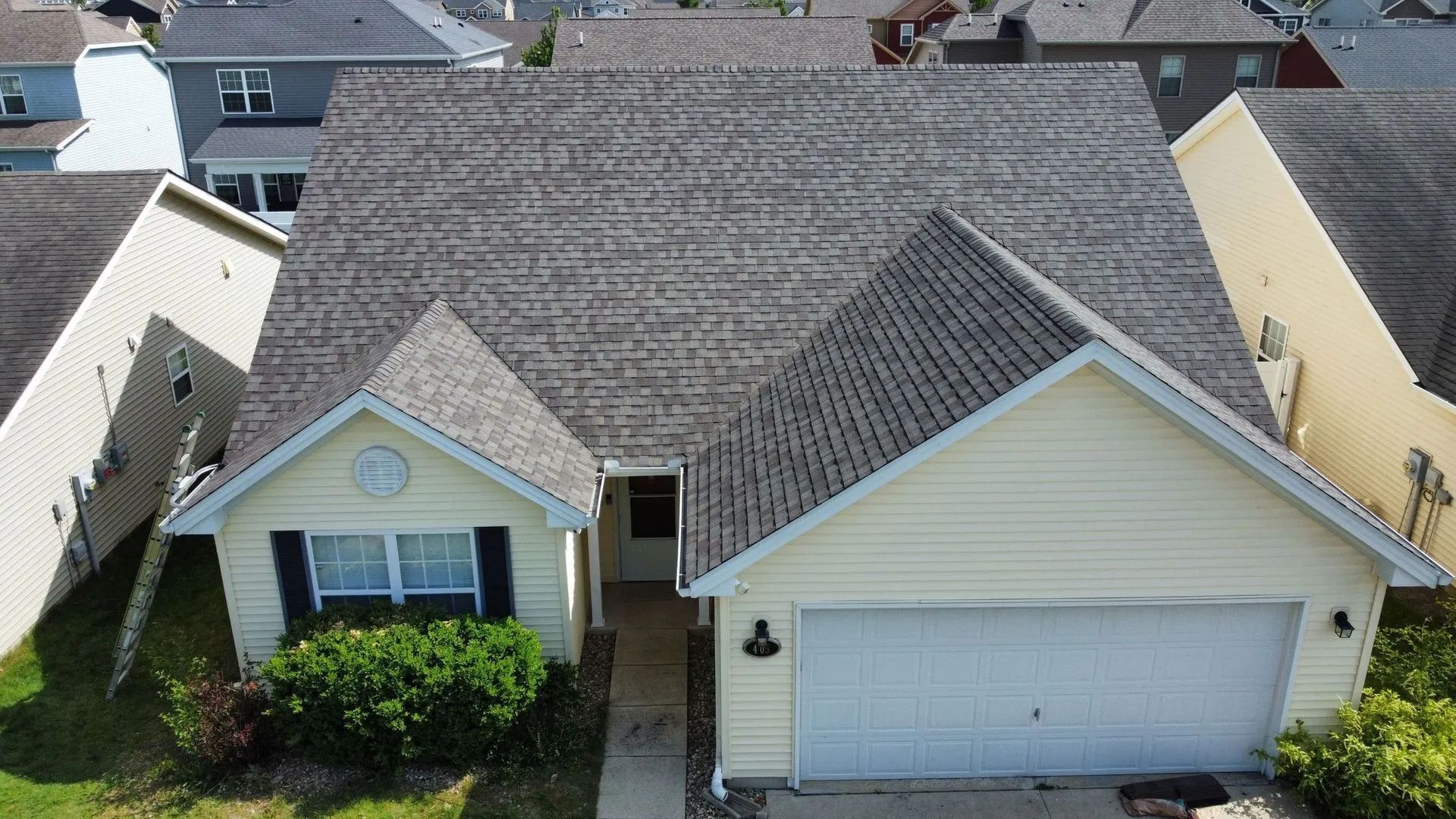
Quick Answer: A roof inspection is a planned check of your roofing system that finds small problems while they are still small. Most roofs should be looked at twice a year, in the spring and again in the fall, plus after any severe storm. Catching a lifted shingle, a cracked seal, or a loose piece of flashing early keeps water out of the decking and the rooms below, which is far less work and expense than repairing the damage a hidden leak causes over months. Inspections are the core of preventative maintenance because they let you fix a few square feet now instead of a soaked ceiling later.
Most roof problems don't start as a dramatic leak over the dining room table. They start small. A single shingle lifts in a March windstorm. A bead of sealant around a vent pipe dries out and cracks over a hot summer. A low spot on a flat roof holds water a day longer than it should. None of that is visible from your couch, and none of it announces itself. By the time a brown stain shows up on a ceiling, water has usually been working through the underlayment and into the decking for weeks. A roof inspection exists to find that lifted shingle while it's still a five-minute fix, not a structural repair.
That's the whole case for checking a roof on a schedule instead of waiting for a symptom. Here's what an inspection actually looks at, how catching things early protects your budget, and the specific times of year to have your roof looked over.
Climate and Plant Selection
Selecting appropriate vegetation is crucial for the success of green roofs in the Mid-Atlantic region. Native and drought-tolerant plants are ideal, ensuring survival during dry spells and high-intensity storms. Sedums, grasses, and other hardy species maintain runoff retention and resist seasonal stress, supporting regulatory compliance throughout the year.
A Roof Inspection Is Preventative Maintenance, Not a Repair Call
There's a real difference between calling a roofer because your ceiling is dripping and having your roof checked because it's April and that's when you get it done. The first is a reaction to damage that already happened. The second is preventative maintenance, and it's the only reliable way for a roof to reach the full lifespan its materials were built to deliver.
A well-installed asphalt or metal roof is made to last for decades. But no roof gets there on its own. Every one is under constant stress from the weather: wind pulling at the edges, hail bruising the surface, sun cooking the sealants, and the freeze-thaw cycle prying at any gap that already exists. Roofs also don't wear evenly. A windswept corner, a south-facing slope, and the metal around a chimney all take far more abuse than the broad middle of the roof, so those spots fail first. A regular inspection finds those worn areas and deals with them before they spread. That's what actually adds years of quiet service to the roof as a whole.
What "preventative" means in practice.
It means the minor repairs get made now, while they're still minor. One displaced shingle re-secured this month doesn't turn into three rows of water-soaked decking next winter. A resealed flashing joint doesn't become the slow leak that rots the sheathing behind it. The roof stays a roof instead of slowly becoming a project.
Climate and Plant Selection
Selecting appropriate vegetation is crucial for the success of green roofs in the Mid-Atlantic region. Native and drought-tolerant plants are ideal, ensuring survival during dry spells and high-intensity storms. Sedums, grasses, and other hardy species maintain runoff retention and resist seasonal stress, supporting regulatory compliance throughout the year.
What a Thorough Inspection Actually Looks At
A real inspection is more than a glance at the shingles from the driveway. It's a close look at the whole system, including the parts that give out long before the open field of the roof does.
Flashing and penetrations
The metal flashing around chimneys, vents, skylights, and wall joints is where a huge share of leaks begin. Sealant around these spots dries and splits, and flashing can lift or pull away after high winds. Caught early, these are small, cheap fixes. Missed, they're a steady drip into your attic.
Shingles and granules
An inspector looks for shingles that are curling, cupping, buckling, cracked, or gone, and for bare patches where the protective granules have washed off. Losing granules exposes the asphalt underneath to the sun and speeds up aging. It's an early warning worth acting on.
Decking and structure
Soft spots underfoot, a sagging roofline, or a spongy feel when someone walks the roof all point to decking that has soaked up moisture. This is exactly the kind of trouble that hides until an inspection finds it, because the rot happens under the shingles where you can't see it.
Attic and ventilation
A good inspection doesn't stop at the surface. Checking the attic for daylight, damp insulation, staining, or trapped heat turns up ventilation problems that shorten a roof's life from the inside and run up your cooling bill in summer. Balanced intake and exhaust airflow protects the roof structure and the rooms under it.
Gutters and drainage
Overflowing or sagging gutters back water up under the roof edge and let it work into the fascia and the foundation. On a flat or low-slope roof, an inspector confirms the drains are clear and water isn't ponding, since standing water is one of the fastest ways a flat roof fails.
Climate and Plant Selection
Selecting appropriate vegetation is crucial for the success of green roofs in the Mid-Atlantic region. Native and drought-tolerant plants are ideal, ensuring survival during dry spells and high-intensity storms. Sedums, grasses, and other hardy species maintain runoff retention and resist seasonal stress, supporting regulatory compliance throughout the year.
TIP: Keep a simple written record of every inspection and any small repair, with dates. When you eventually need a bigger repair or a warranty conversation, a documented maintenance history helps your roofer diagnose the problem faster and shows the roof was cared for.
How Catching Problems Early Protects Your Budget
The strongest argument for routine inspections is what they save you from. Roof damage is rarely expensive because of the roof itself. It's expensive because of everything a neglected leak drags down with it.
When a small breach goes unfound, water doesn't stay put. It runs along the decking, soaks the insulation, stains and warps ceilings, feeds mold inside wall cavities, and can reach wiring and finishes far from where it got in. A fix that would have been a handful of shingles and a tube of sealant turns into decking replacement, drywall, insulation, and paint. The roof problem was tiny. The fallout from leaving it alone wasn't.
Preventative inspection flips that math. A periodic check and a steady maintenance routine add usable years to a roof and head off the sudden, serious failure that forces an emergency replacement on the roof's timeline instead of yours. You spread small, predictable upkeep across the life of the roof rather than eating one big, unplanned hit when a hidden problem finally shows itself. For a home, that protects the inside and the structure. For a business, it also protects inventory, equipment, and the ability to stay open without an interruption.
There's a resale angle too. A roof with a documented history of regular inspection tells a buyer or an appraiser the home has been looked after, and that supports the property's value. A roof that's obviously been ignored raises questions that are harder to answer.
Climate and Plant Selection
Selecting appropriate vegetation is crucial for the success of green roofs in the Mid-Atlantic region. Native and drought-tolerant plants are ideal, ensuring survival during dry spells and high-intensity storms. Sedums, grasses, and other hardy species maintain runoff retention and resist seasonal stress, supporting regulatory compliance throughout the year.
When to Schedule a Roof Inspection
The most common question is just how often. The rule of thumb is to inspect a roof at least twice a year, in the spring and in the fall, and to check it again after any severe storm. Those windows each matter in a Central Illinois climate, and the reasons are worth knowing.
In the spring
Winter is hard on a roof. Snow load, ice, freeze-thaw movement, and ice dams that shove water backward under the shingles all leave a mark. A spring inspection catches the damage the cold months caused so it gets fixed before spring and summer storms start driving rain at any weak point.
In the fall
A fall inspection is about getting ready for winter. Clearing the gutters, resealing joints that opened over the summer, and confirming the flashing and shingles are sound means the roof heads into snow and ice season without an existing gap for water and freeze-thaw to work on.
After a severe storm
Central Illinois gets high winds, hail, and heavy downpours, and any one of them can lift shingles, bruise the surface, or tear flashing loose in a single afternoon. Storm damage often isn't visible from the ground. A targeted look after a rough storm tells you whether anything opened up before the next rain finds it, so small damage gets repaired quickly instead of lingering.
As the roof ages
An older roof, or one near the end of its rated life, earns closer attention than a newer one. As the materials age, more of the roof reaches the point where worn areas need upgrading, and more frequent checks keep that wear from tipping into failure.
Climate and Plant Selection
Selecting appropriate vegetation is crucial for the success of green roofs in the Mid-Atlantic region. Native and drought-tolerant plants are ideal, ensuring survival during dry spells and high-intensity storms. Sedums, grasses, and other hardy species maintain runoff retention and resist seasonal stress, supporting regulatory compliance throughout the year.
WARNING: Walking a roof to inspect it is genuinely hazardous, especially when it's wet, icy, steep, or covered in loose granules that roll underfoot like ball bearings. Don't climb up to check storm or winter damage yourself. A ground-level look for obvious missing shingles is fine, but leave anything that means getting on the roof to a professional with the right footing and equipment.
Frequently Asked Questions
How often should a roof be inspected?
Inspect at least twice yearly, in spring and fall, plus after any severe storm. Older roofs and flat commercial roofs benefit from that same rhythm, sometimes needing closer attention instead of waiting for interior symptoms.
Can I inspect my own roof?
You can do a safe, ground-level look after storms for missing shingles, sagging gutters, or debris. Walking the roof is dangerous when wet, icy, or steep, while flashing, decking, and attic moisture need trained eyes.
What does a roof inspection actually check?
It covers the shingles or roofing material, the flashing and sealant around chimneys and vents, the decking and roofline for soft or sagging spots, the attic for moisture and ventilation, and the gutters and drainage.
Will a roof inspection really save me money?
Inspections save money by keeping small problems small. The costly part of most roof failures isn't the roof itself, it's the water damage a hidden leak does to decking, insulation, ceilings, and finishes over time.
When is the best time of year to schedule an inspection?
Spring and fall are the two anchor points. Spring finds the damage winter's snow, ice, and freeze-thaw left behind. Fall readies the roof for winter by clearing gutters and confirming everything is sealed and sound.
How long does a roof inspection take?
A typical residential inspection runs under an hour, depending on the roof's size and shape. A larger commercial roof takes longer. It's a short appointment next to what it prevents, leaving a clear condition picture.
Climate and Plant Selection
Selecting appropriate vegetation is crucial for the success of green roofs in the Mid-Atlantic region. Native and drought-tolerant plants are ideal, ensuring survival during dry spells and high-intensity storms. Sedums, grasses, and other hardy species maintain runoff retention and resist seasonal stress, supporting regulatory compliance throughout the year.
Keeping a Roof Working Is a Habit, Not an Emergency
A roof rewards attention and punishes neglect, and the gap between the two is mostly a matter of scheduling. Two inspections a year and a quick look after the worst storms keep a roof doing its job quietly for as long as its materials allow. They turn what could have been an emergency into a line on a maintenance log. The roof over your home or your business is only as reliable as the last time someone actually looked at it.
Schedule a
roof inspection
before the next round of Central Illinois weather. A sound roof is what keeps wind, hail, snow, and freeze-thaw out of your home or building. Guardian Roofing PLLC
performs detailed inspections that check flashing, shingles, decking, attic ventilation, and drainage, then handles the small repairs that keep minor issues from becoming major ones. With more than 40
years of experience across residential and commercial roofs in and around Sullivan, Illinois, along with durable, weather-resistant materials, Guardian Roofing helps your roof reach its full lifespan. Reach out to schedule your inspection and get a clear read on your roof's condition.
Climate and Plant Selection
Selecting appropriate vegetation is crucial for the success of green roofs in the Mid-Atlantic region. Native and drought-tolerant plants are ideal, ensuring survival during dry spells and high-intensity storms. Sedums, grasses, and other hardy species maintain runoff retention and resist seasonal stress, supporting regulatory compliance throughout the year.
Share this article