
The Impact of Illinois Weather on Your Roof (And How to Protect It)
April 30, 2026
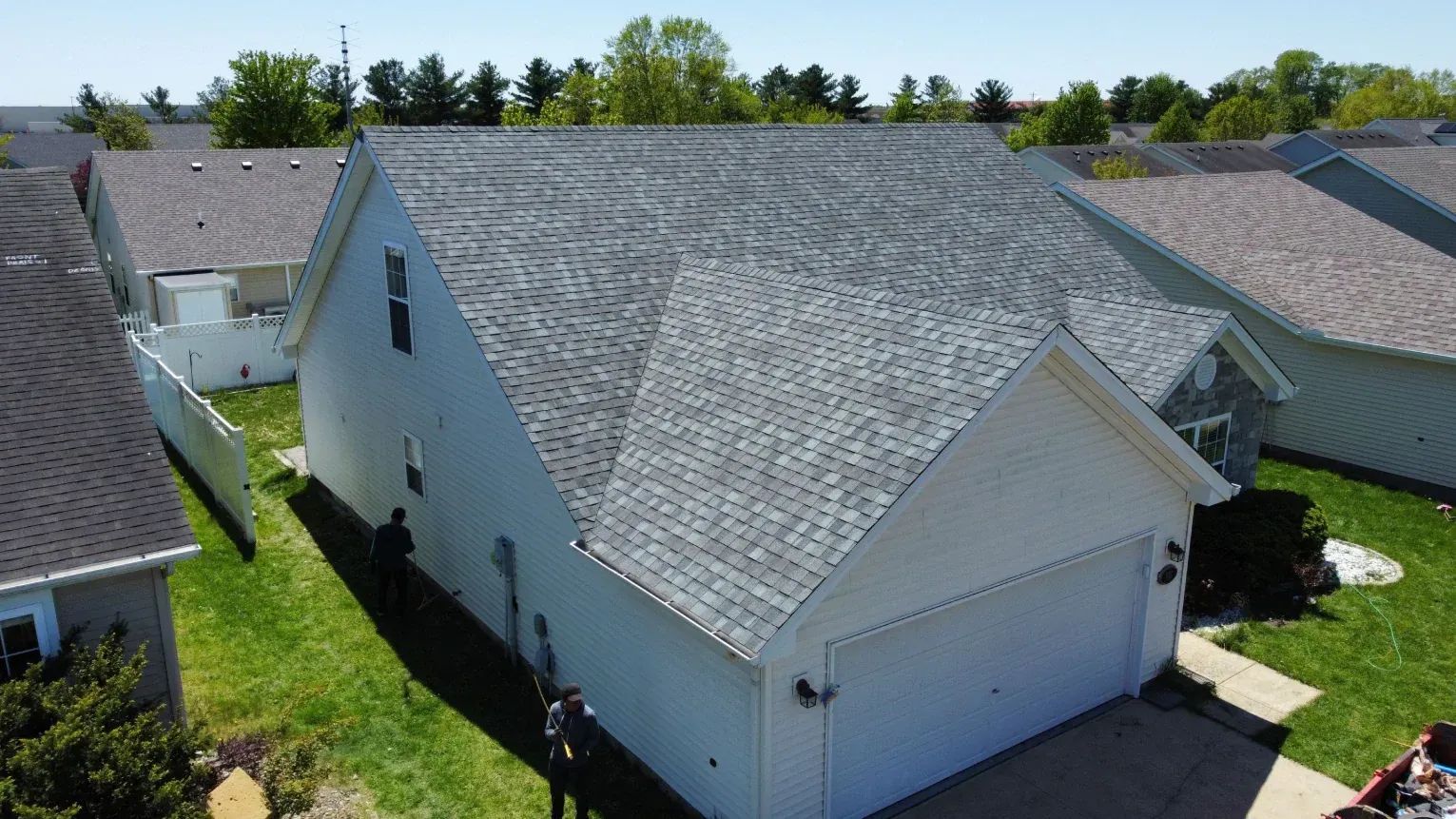
Illinois is a state known for its diverse and often unpredictable weather. From blustery winds to heavy snowfalls and sudden temperature swings, every season presents its own set of challenges for homeowners. The roof, as the first line of defense against these elements, bears the brunt of this volatility. Understanding how local weather impacts roofing materials and structures is crucial for protecting the longevity and safety of any home. Neglecting these factors can lead to costly repairs, water damage, and reduced property value. Additionally, improper maintenance or delayed repairs can shorten the overall lifespan of roofing systems, leaving homes vulnerable to leaks, mold growth, and structural compromise. Awareness of local climate patterns allows homeowners to make informed decisions about materials, design, and protective measures that suit Illinois’ unique weather conditions.
The importance of proactive roof care cannot be overstated in Illinois. Severe wind storms can lift shingles, hail can puncture protective layers, and extreme temperature changes can cause cracking or warping. Even moderate weather events, repeated over time, can weaken the structural integrity of a roof. By recognizing the risks associated with each type of weather and implementing protective strategies, homeowners can extend the lifespan of their roof and avoid unexpected emergencies. Regular inspections, timely repairs, and choosing weather-resistant materials are key steps in ensuring long-term durability. Planning ahead not only protects property investment but also enhances safety for residents and reduces the likelihood of costly insurance claims after storms. This guide explores the key weather challenges in Illinois and provides actionable advice to maintain a resilient, well-protected roof through every season.
Wind Damage – Assessing and Preventing Roof Issues
Understanding Illinois Wind Patterns
Illinois experiences a wide range of wind conditions throughout the year, which can be more severe than expected. Spring and summer often bring gusty winds during thunderstorms, while winter can produce sustained strong winds that carry snow and ice across rooftops. High winds exert pressure on roofing materials, potentially loosening shingles or tearing off weaker sections entirely. Over time, this can create gaps where water infiltrates and causes significant rot or leaks within the roof structure.
Signs of Wind Damage
Detecting wind-related roof damage early can prevent more serious and costly issues from developing unexpectedly. Look for missing or cracked shingles, lifted edges, and granule loss on asphalt shingles that may indicate weakened protection. Signs may also appear inside the home, such as water stains on ceilings or walls from hidden leaks. Roof flashing around chimneys, vents, and skylights is particularly vulnerable to wind uplift and should be closely monitored regularly.
Protective Measures
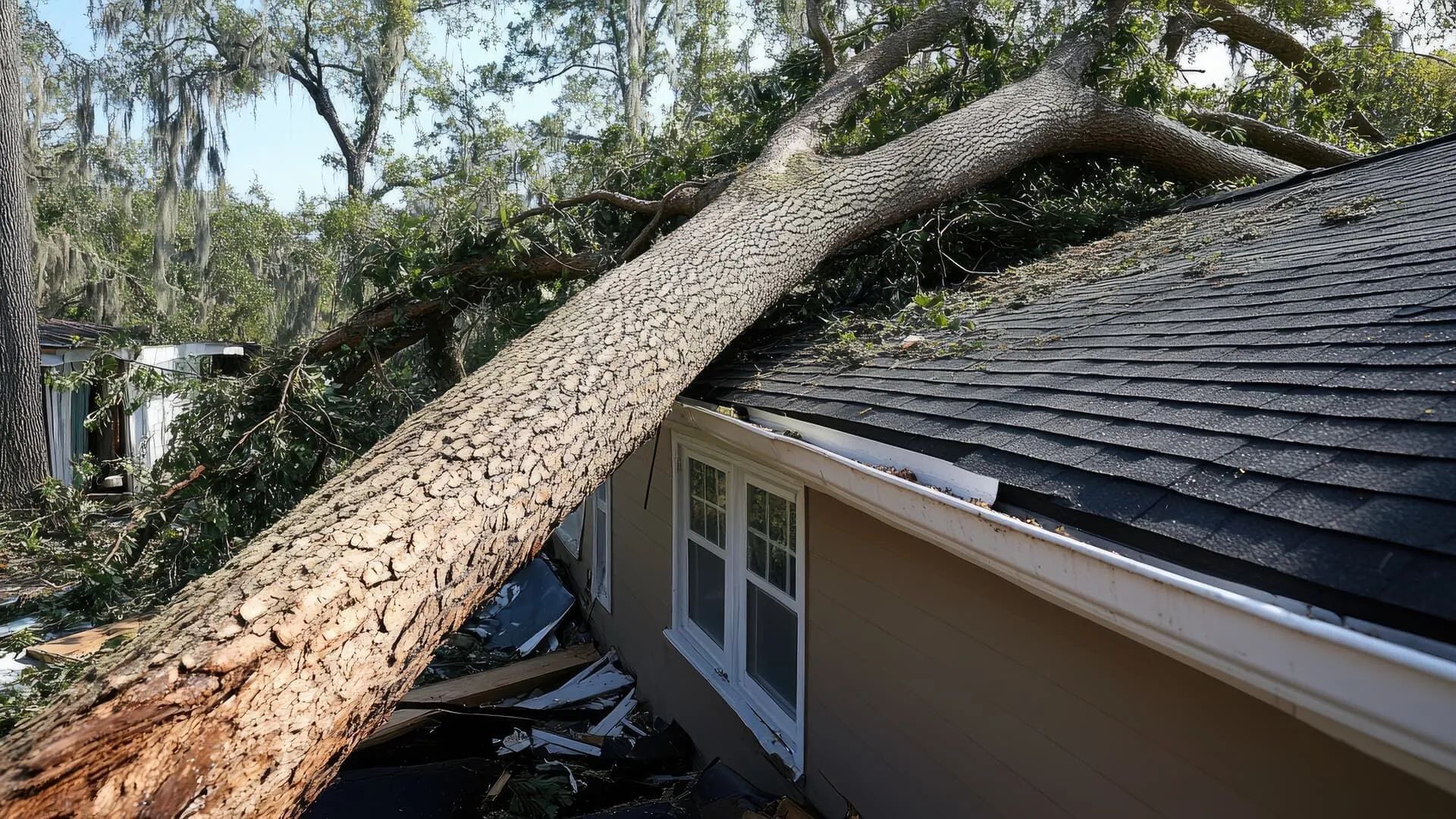
Installing wind-resistant shingles and reinforcing roof edges can significantly enhance overall roof durability and performance. Regular inspections after storms help identify vulnerabilities before they escalate into major problems or failures. Ensuring proper attic ventilation reduces the risk of wind-driven moisture causing damage to wooden structures over time. Additionally, trimming overhanging branches near the roof prevents limbs from being blown onto the roof during storms, which can result in punctures or severe structural damage.
Hail and Impact Resistance
Hail in Illinois
Illinois is part of the Midwest’s notorious hail belt, which experiences frequent and unpredictable hailstorms. During spring and summer, hailstorms can vary from small pellets to golf-ball-sized chunks capable of penetrating roofing materials entirely. Hail impacts not only the roof’s exterior but can also compromise underlying layers, reducing water resistance significantly and increasing the risk of leaks over time.
Identifying Hail Damage
Hail damage can be subtle or severe, often requiring careful inspection to fully understand the extent. Look for dents or fractures in shingles, cracked or dislodged tiles, and damaged gutters or downspouts caused by hail strikes. Asphalt shingles may show missing granules, while metal roofs can have visible dents or surface deformation. Sometimes damage is only noticeable from ground-level inspection using binoculars, making professional assessment critical for safety.
Mitigation and Repair Strategies
Using impact-resistant roofing materials rated for hail, such as Class 4 shingles, significantly reduces the risk of serious damage. Installing a protective underlayment adds another layer of defense against water infiltration and structural weakening. After a hailstorm, prompt inspection and repairs prevent water infiltration and long-term structural decay. For older roofs, hail damage can accelerate deterioration quickly, making preemptive reinforcement an essential investment in long-term roof performance.
Snow and Ice Challenges
Snow Accumulation and Roof Load
Winter in Illinois can bring heavy snowfall, leading to significant weight and stress on roofs over time. Roofs not designed for high snow loads may experience sagging or structural stress during prolonged storms. Ice dams, caused by thawing and refreezing cycles at roof edges, prevent proper drainage and can result in water backing up under shingles, creating hidden leaks and internal damage.
Identifying Ice Damage
Ice damage often manifests as water stains on ceilings or walls, warped shingles, and cracks in gutters or fascia boards from repeated freeze-thaw cycles. Over time, these cycles weaken roof materials considerably, leading to costly repairs and replacement if ignored. Snow accumulation near vents or chimneys can also create localized damage points that require immediate attention to avoid severe structural problems.
Preventive Measures
Maintaining proper insulation and ventilation in the attic helps prevent ice dams by keeping the roof surface more evenly tempered throughout winter months. Installing ice and water shields along roof edges provides an extra layer of protection against leaks during heavy snowfall. When heavy snow accumulates, safe snow removal using roof rakes or professional services minimizes stress on the structure. Ensuring gutters are clear and debris-free prevents blockages that exacerbate ice dam formation over time.
Seasonal Temperature Fluctuations and Material Stress
Understanding Thermal Expansion and Contraction
Illinois experiences extreme seasonal temperature variations that affect roofing materials in multiple ways. Summer heat can cause roofing materials to expand significantly, while winter cold leads to contraction, creating constant movement. This repeated expansion and contraction can loosen nails, create gaps between shingles, and cause cracking in brittle materials. Over time, these effects reduce the roof’s ability to protect the home from water infiltration efficiently.
Identifying Temperature-Related Issues
Signs of damage from temperature fluctuations include cracked or curling shingles, buckling in metal panels, and small leaks that appear after sudden storms or heavy rainfall. Asphalt shingles are particularly prone to granule loss in high summer temperatures, while older roofs may develop brittleness in the winter months. Early detection of these issues prevents costly repairs and potential structural compromise.
Best Practices for Temperature Protection
Choosing roofing materials specifically designed for thermal resilience reduces the impact of seasonal stress on long-term roof performance. Regular inspections at the beginning of winter and summer help detect vulnerabilities before extreme conditions occur. Applying reflective coatings can reduce heat absorption, extending the life of roofing materials during high summer temperatures. Ensuring flashing, sealants, and underlayment are intact also mitigates the risk of leaks caused by expansion and contraction cycles.
Preventive Roof Maintenance Strategies
Routine Inspections
Routine inspections are the foundation of roof longevity and long-term home protection. Checking shingles, flashing, gutters, and attic ventilation at least twice a year—preferably in spring and fall—identifies minor issues before they escalate into serious problems. Documenting these inspections creates a reliable reference for seasonal changes and overall roof maintenance history over the years.
Cleaning and Debris Removal
Leaves, twigs, and other debris accumulate over time, trapping moisture and increasing the risk of rot or ice dams during winter months. Keeping the roof and gutters clean ensures proper drainage, reducing stress on materials during rain, snow, or thawing events. Regular debris removal also prevents pests and mold growth that can damage roof structures.
Proactive Repairs
Promptly addressing minor damage, such as missing shingles or small leaks, prevents more extensive repairs that are far more costly and time-consuming. Replacing underlayment, resealing flashing, and reinforcing vulnerable areas enhances resilience against high winds, hail, and heavy snow. Preventive measures may involve minor investments upfront but save significant costs over the life of the roof.
Material Upgrades
For older roofs, upgrading to impact-resistant shingles, metal panels, or reflective coatings improves durability against the harshest weather conditions. Choosing materials rated for the specific weather challenges of Illinois provides long-term peace of mind and enhances home protection. Combining modern roofing materials with professional installation ensures maximum performance and reliable protection.
Climate and Plant Selection
Selecting appropriate vegetation is crucial for the success of green roofs in the Mid-Atlantic region. Native and drought-tolerant plants are ideal, ensuring survival during dry spells and high-intensity storms. Sedums, grasses, and other hardy species maintain runoff retention and resist seasonal stress, supporting regulatory compliance throughout the year.
Guardian Roofing Professionals Safeguarding Your Roof Longevity
Illinois weather presents a unique set of challenges for roof maintenance and protection. Wind, hail, snow, ice, and seasonal temperature fluctuations all exert stress on roofing materials, reducing lifespan and increasing vulnerability to leaks and structural damage. By understanding these risks, homeowners can adopt preventive measures, including routine inspections, debris removal, prompt repairs, and material upgrades. Investing in durable, weather-resistant materials, along with proactive maintenance, safeguards the home from costly repairs and extends the roof’s functional life.
Guardian Roofing PLLC, located in Sullivan, Illinois, brings over 40
years of experience in roofing and exterior services. Our expertise ensures roofs are built and maintained to withstand the harshest conditions Illinois has to offer. With a focus on quality craftsmanship, precise installation, and long-term protection, Guardian Roofing PLLC
provides confidence and peace of mind for homeowners. Every service is guided by experience, professionalism, and a commitment to safeguarding homes from weather-related risks, ensuring lasting reliability and performance for decades to come.
Share this article