How to Tell If Your Roof Needs Repair or Full Replacement in Illinois
March 28, 2026
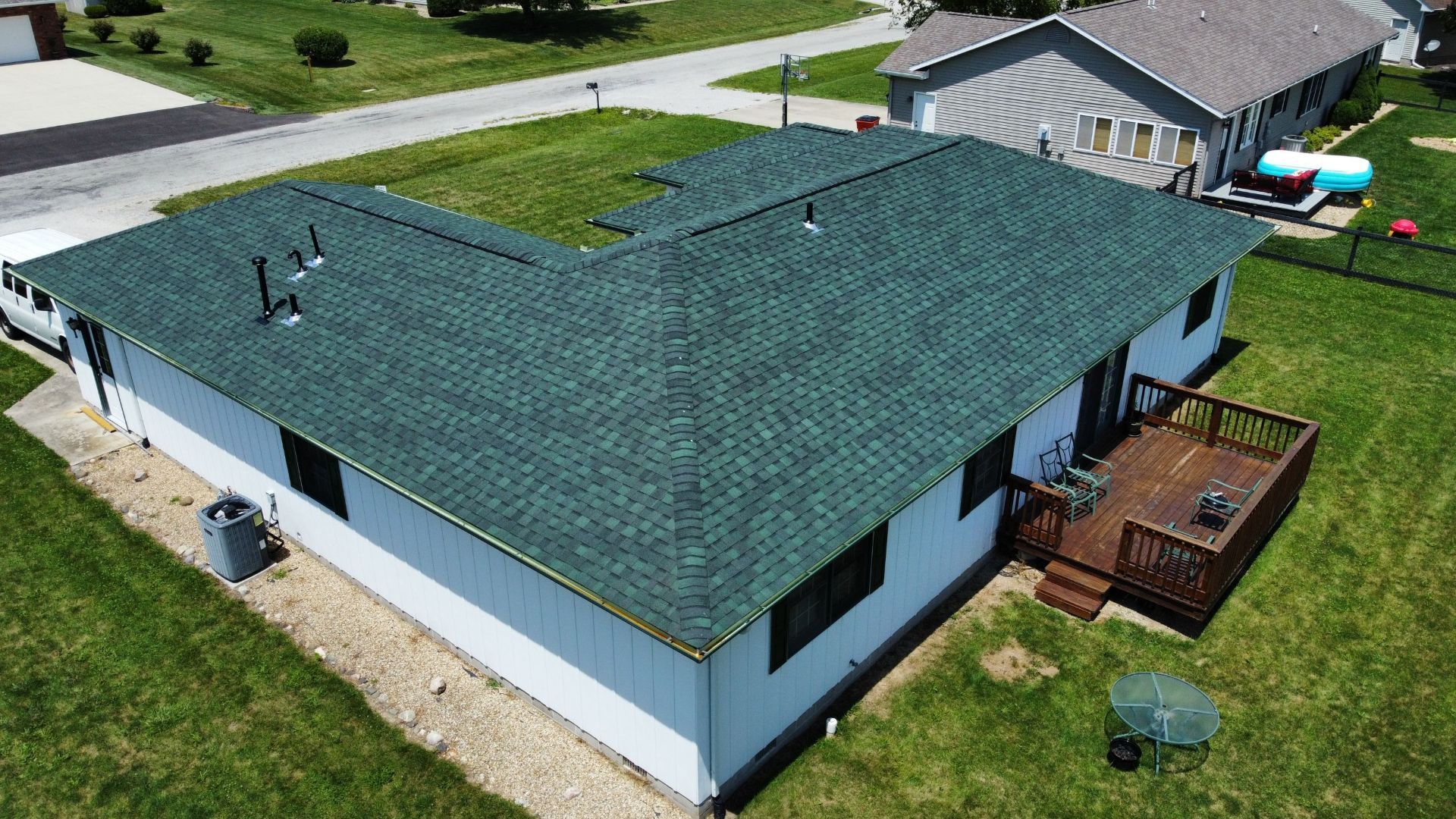
A roof is one of the most critical components of any home, serving as the first line of defense against harsh weather conditions, water infiltration, and temperature extremes. In Illinois, where seasonal variations can be extreme—from icy winters to stormy springs—maintaining a strong and resilient roof is essential to protect a property’s structural integrity and ensure the safety of occupants. Knowing when a roof requires minor repairs versus a full replacement can save homeowners significant time, money, and stress, while also preventing further damage that may compromise the home’s value.
Determining the right course of action for roof maintenance requires careful observation and a clear understanding of warning signs, lifespan expectations, and potential repair costs. Homeowners often struggle to differentiate between problems that can be solved with targeted repairs and issues that necessitate a full roof replacement. This guide provides an in-depth look at key indicators, financial considerations, and decision-making strategies, offering actionable insights for property owners in Illinois who want to preserve the longevity and performance of their roofs.
1. Recognizing Warning Signs of Roof Damage
Visible Damage on Shingles
Shingles are the most exposed element of a roof and are often the first to show signs of deterioration. Look for curling, buckling, or cracked shingles, which can indicate prolonged exposure to weather and underlying structural issues. Missing shingles not only reduce the roof’s ability to shed water effectively but also leave vulnerable areas prone to leaks and water infiltration.
Granule Loss
Asphalt shingles contain granules that protect the material from UV rays and impact. Excessive granule shedding, often observed as black granules in gutters or downspouts, signals aging shingles or damage from hail, wind, or heavy rain. Granule loss compromises the shingle’s durability and often precedes leaks or further deterioration.
Water Stains and Leaks
Interior water stains on ceilings or walls are a strong indicator of roof leaks. Small stains may result from isolated damage, while widespread water marks or dripping suggest significant roof compromise. Regular inspections for water intrusion are crucial, particularly after storms or heavy snow accumulation, which can exacerbate roof weakness.
Mold, Mildew, and Rot
Persistent moisture under roofing materials promotes mold and mildew growth, which can weaken the roof deck and supporting structures. Soft spots or sagging in the attic may indicate rotting wood. Early detection of mold and rot is essential to determine whether repairs can stabilize the roof or if a full replacement is necessary.
2. Understanding Roof Lifespan and Material Considerations
Asphalt Shingles
Asphalt shingles are the most common roofing material in Illinois due to affordability and ease of installation. Standard asphalt shingles typically last 20 to 30 years. Signs that asphalt shingles are reaching the end of their lifespan include curling edges, significant granule loss, and frequent leaks, even after repairs.
Metal Roofing
Metal roofs are durable and resistant to extreme weather, often lasting 40 to 70 years. Rust, loose panels, or damaged seams may require repair, but if the roof exhibits widespread corrosion or structural issues, replacement may be the most cost-effective long-term solution.
Slate and Tile Roofs
Natural slate and clay or concrete tiles offer exceptional longevity, sometimes exceeding 50 years. However, cracked or broken tiles, especially when accompanied by damaged underlayment, can compromise the roof. Repair may suffice for isolated damage, but pervasive tile failure often necessitates replacement.
Flat and Low-Slope Roofs
Flat or low-slope roofs, often found on commercial properties or modern residential designs, are susceptible to water pooling and membrane damage. Cracks, blisters, or punctures in the roofing membrane are repairable if localized, but chronic leaks or extensive membrane failure typically call for full replacement.
3. Cost Factors and Financial Considerations
Repair Costs
Roof repairs vary based on the type and extent of damage. Minor repairs, such as replacing a few shingles, fixing flashing, or patching leaks, may range from $150 to $1,000 in Illinois. Costs depend on labor rates, material availability, and the complexity of access to the damaged area. Prompt repairs prevent more costly damage but must be weighed against the roof’s overall age and condition.
Replacement Costs
Full roof replacement is a more significant investment, often ranging from $5,000 to $25,000 or more for residential properties, depending on roof size, material, and structural considerations. Replacement provides long-term protection, improves energy efficiency, and can increase home value. In Illinois, seasonal factors such as winter ice and spring storms can influence both the urgency and cost of replacement.
Insurance and Warranty Considerations
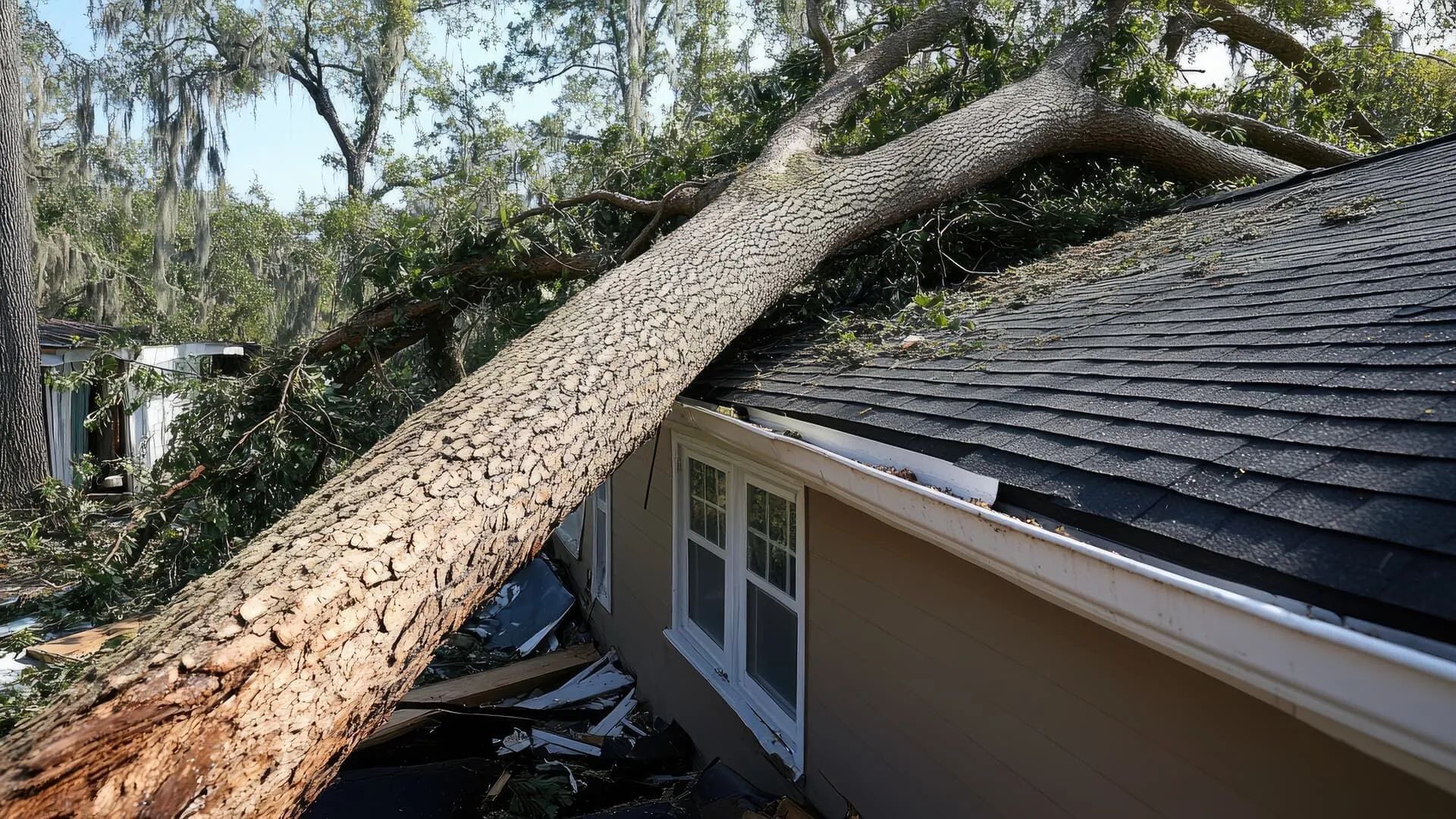
Homeowners should review insurance policies and manufacturer warranties before making a decision. Some damage from hail, wind, or fallen trees may be partially covered by insurance, potentially offsetting repair or replacement costs. Manufacturer warranties can also affect the feasibility of repairing versus replacing, as older shingles may no longer be covered.
4. Deciding Between Repair and Replacement
Age of the Roof
Roof age is one of the most critical factors in decision-making. A roof older than its expected lifespan with widespread shingle damage or recurrent leaks is often better suited for replacement rather than repeated repairs, which can accumulate costs without guaranteeing long-term performance.
Extent of Damage
Localized damage, such as a small leak or a few broken shingles, generally warrants repair. However, if damage covers multiple areas, affects the roof deck, or compromises structural integrity, replacement ensures complete protection. Assessing the roof from multiple angles, including attic inspection, can provide clarity on the true extent of damage.
Energy Efficiency and Upgrades
Older roofs may lack modern insulation or ventilation systems. Replacement provides an opportunity to upgrade to energy-efficient materials, reducing heating and cooling costs and improving comfort during Illinois’ seasonal temperature swings. Repairs do not typically offer these benefits, making replacement a more strategic investment in certain cases.
Property Value Considerations
Homes with visible roof damage may experience reduced market value or difficulty in selling. Repairing minor issues can stabilize the home for short-term occupancy, but a new roof often enhances curb appeal and provides reassurance to potential buyers. Real estate professionals frequently recommend replacement for homes approaching 20 to 30 years old with extensive wear.
5. Preventive Maintenance and Inspection Best Practices
Regular Inspections
Conducting routine inspections, ideally twice per year—once in spring and once in fall—can identify minor problems before they escalate. Inspections should include shingles, flashing, gutters, downspouts, and attic spaces for water damage or mold.
Post-Storm Checks
Illinois is prone to severe thunderstorms, hail, and ice accumulation. After extreme weather events, inspecting the roof for missing shingles, dented flashing, or water intrusion can prevent long-term damage and support insurance claims if necessary.
Cleaning and Upkeep
Debris removal, gutter maintenance, and moss prevention contribute to roof longevity. Blocked gutters can lead to water pooling, which accelerates shingle deterioration. Keeping the roof clean and ensuring proper water drainage reduces the likelihood of needing repairs or early replacement.
Documenting Issues
Maintaining a detailed record of repairs, inspections, and observed damage helps track roof health and supports informed decision-making. Documentation is also useful for insurance purposes and can guide replacement timelines, ensuring optimal investment in the home.
6. Expert Guidance and Choosing Solutions Wisely
Consulting Professionals
While homeowners can recognize visible damage, professional roof inspections provide a thorough assessment of hidden issues, structural integrity, and material performance. Certified inspectors can recommend whether targeted repairs are sufficient or if a full replacement is the most practical long-term solution
Considering Material Upgrades
When replacement is necessary, evaluating roofing materials for durability, energy efficiency, and suitability for Illinois weather ensures a longer-lasting investment. Options like architectural shingles, metal roofing, or synthetic slate can enhance performance while reducing maintenance needs.
Balancing Cost and Longevity
Decision-making should weigh upfront repair or replacement costs against potential long-term savings. Short-term repairs may offer temporary relief, but recurring problems can escalate expenses. A carefully planned replacement, while more expensive initially, often results in fewer future issues and higher property value.
Timing and Seasonal Considerations
In Illinois, scheduling roof work during mild weather improves safety, reduces labor challenges, and prevents complications from ice or heat. Early intervention prevents minor damage from becoming severe, ensuring the roof maintains its protective function year-round.
Climate and Plant Selection
Selecting appropriate vegetation is crucial for the success of green roofs in the Mid-Atlantic region. Native and drought-tolerant plants are ideal, ensuring survival during dry spells and high-intensity storms. Sedums, grasses, and other hardy species maintain runoff retention and resist seasonal stress, supporting regulatory compliance throughout the year.
Reliable Roof Assessment and Repair From Guardian Roofing PLLC
With 40 years of experience, Guardian Roofing PLLC has provided comprehensive roofing and exterior services to homeowners across Sullivan, Illinois, delivering results that stand the test of time. Our commitment to quality craftsmanship, expert material selection, and precise installation ensures roofs perform at their peak, protecting homes from the challenges of Illinois weather. Years of hands-on expertise allow us to evaluate damage accurately, recommend cost-effective solutions, and execute repairs or full replacements with professionalism and efficiency.
Choosing us guarantees access to seasoned roofing specialists who understand the nuances of local climate and building standards. From routine inspections to complete
roof replacements, every project is approached with a focus on long-term performance, safety, and homeowner satisfaction. Our proven track record and dedication to superior service make us a reliable partner for homeowners seeking informed guidance and dependable roofing solutions. Trust us to safeguard the integrity of your home while delivering exceptional results that enhance both value and comfort.
Share this article