
Fall and Winter Roofing Tips for Champaign, IL Homeowners
October 5, 2026
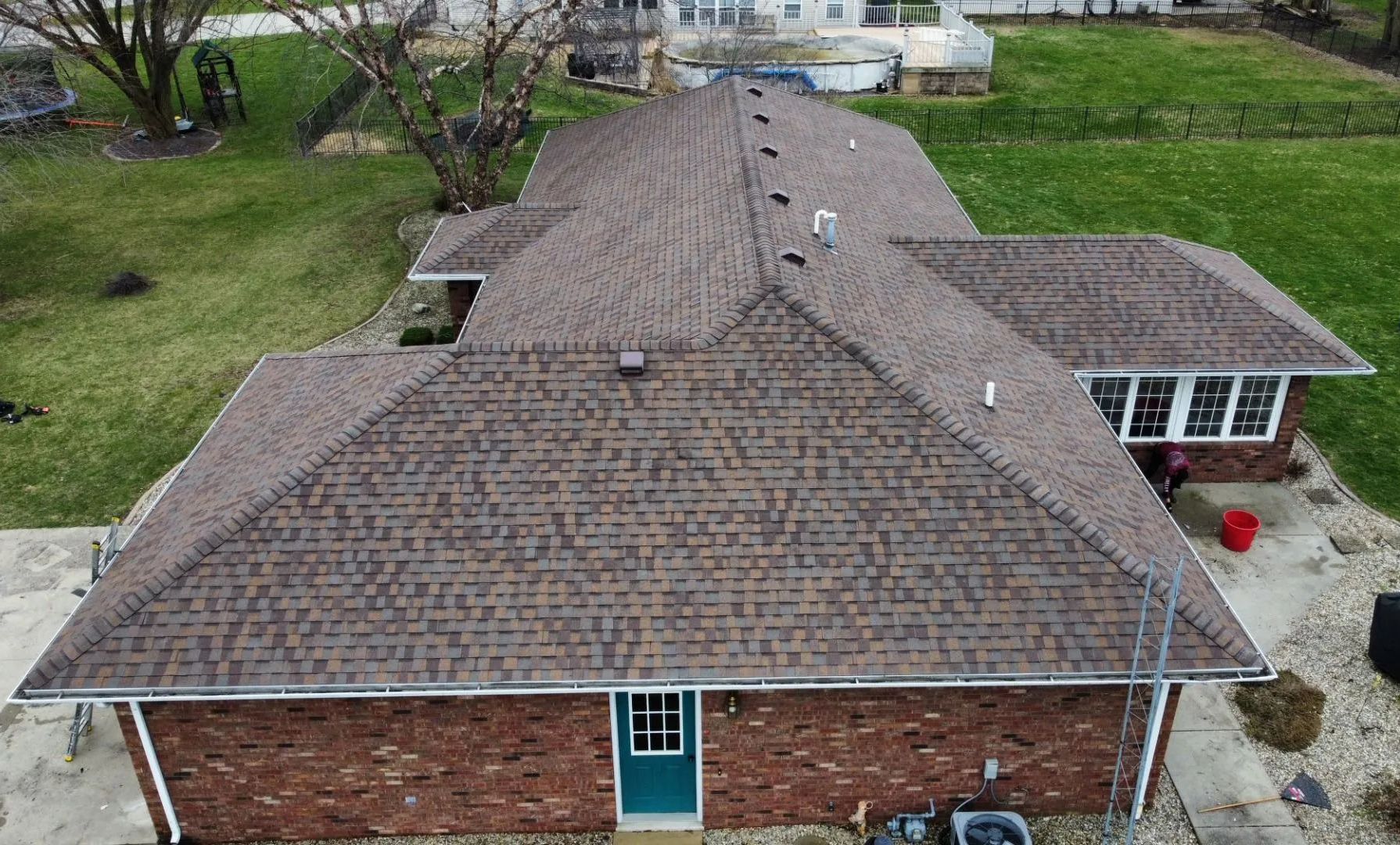
Fall is one of the most important times of year for roof maintenance in Champaign, IL. After months of heat, rain, wind, and summer storms, your roofing system may already have minor damage that is difficult to see from the ground. Once winter arrives, those small issues can turn into leaks, ice-related damage, poor drainage, and costly repairs.
For homeowners in Champaign and surrounding Central Illinois communities, preparing your roof before colder weather is one of the best ways to protect your home. A seasonal inspection can help identify loose shingles, worn flashing, clogged gutters, and other problems before snow, ice, and freezing temperatures make them worse.
Climate and Plant Selection
Selecting appropriate vegetation is crucial for the success of green roofs in the Mid-Atlantic region. Native and drought-tolerant plants are ideal, ensuring survival during dry spells and high-intensity storms. Sedums, grasses, and other hardy species maintain runoff retention and resist seasonal stress, supporting regulatory compliance throughout the year.
Why Champaign Roofs Need Seasonal Attention
Champaign homes are exposed to a wide range of Midwest weather conditions. Heavy spring and summer storms can weaken roofing materials, while fall brings leaves, debris, moisture, and cooler temperatures. Winter can add snow, ice, freezing rain, and freeze-thaw cycles that place additional stress on the roof.
This seasonal pattern makes preventative maintenance especially important. A roof that enters winter with existing damage is more likely to develop leaks, drainage problems, or interior water damage. By addressing concerns in the fall, homeowners can reduce risk and improve the long-term performance of their roofing system.
Climate and Plant Selection
Selecting appropriate vegetation is crucial for the success of green roofs in the Mid-Atlantic region. Native and drought-tolerant plants are ideal, ensuring survival during dry spells and high-intensity storms. Sedums, grasses, and other hardy species maintain runoff retention and resist seasonal stress, supporting regulatory compliance throughout the year.
Inspect Your Roof After Summer Storms
Before winter, it is important to consider what your roof has already been through during the warmer months. Strong winds and hail can damage shingles, loosen flashing, and create weak points that may not leak right away.
Champaign homeowners should look for missing shingles, lifted shingle edges, dents on gutters or vents, exposed areas, or shingle granules collecting in gutters and downspouts. Granule loss is especially important because it can reduce the protective surface of asphalt shingles and shorten the roof’s lifespan.
If your home has experienced recent wind or hail, a professional roof inspection can help determine whether the damage is cosmetic, functional, or severe enough to require repairs.
Climate and Plant Selection
Selecting appropriate vegetation is crucial for the success of green roofs in the Mid-Atlantic region. Native and drought-tolerant plants are ideal, ensuring survival during dry spells and high-intensity storms. Sedums, grasses, and other hardy species maintain runoff retention and resist seasonal stress, supporting regulatory compliance throughout the year.
Clean Gutters and Downspouts Before Leaves Build Up
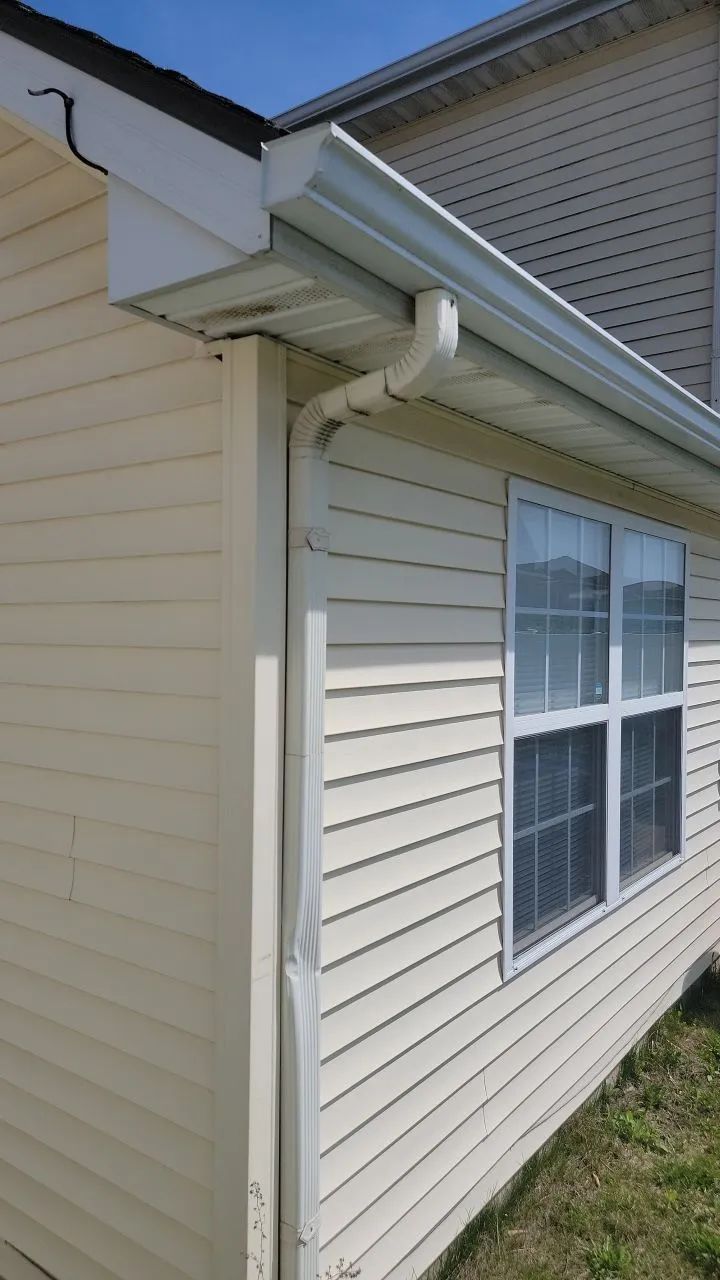
Gutter maintenance is one of the most important fall roofing tasks. When leaves and debris clog the gutter system, water cannot drain properly. This can cause water to overflow, back up under roofing materials, or pool near the foundation.
In colder weather, clogged gutters can also contribute to ice buildup. When water sits in the gutter and freezes, it adds weight and stress to the system. Over time, this can pull gutters away from the home or damage the roof edge.
Before winter arrives, make sure gutters are clear, downspouts are open, and water is being directed away from the foundation. If gutters are damaged, sagging, or leaking, repairing them before winter can help protect both the roof and the structure of the home.
Climate and Plant Selection
Selecting appropriate vegetation is crucial for the success of green roofs in the Mid-Atlantic region. Native and drought-tolerant plants are ideal, ensuring survival during dry spells and high-intensity storms. Sedums, grasses, and other hardy species maintain runoff retention and resist seasonal stress, supporting regulatory compliance throughout the year.
Pay Attention to Flashing, Valleys, and Roof Edges
Some areas of the roof are more vulnerable than others. Flashing around chimneys, vents, skylights, and wall transitions helps keep water out of the home. Roof valleys and edges also handle a large amount of water runoff.
If flashing is cracked, rusted, lifted, or poorly sealed, water may be able to enter during rain or melting snow. These issues are easy to miss from the ground but can cause major interior damage over time.
A professional roofing contractor can inspect these areas closely and identify weak points before winter weather increases the risk of leaks.
Climate and Plant Selection
Selecting appropriate vegetation is crucial for the success of green roofs in the Mid-Atlantic region. Native and drought-tolerant plants are ideal, ensuring survival during dry spells and high-intensity storms. Sedums, grasses, and other hardy species maintain runoff retention and resist seasonal stress, supporting regulatory compliance throughout the year.
Watch for Interior Signs of Roof Problems
Not all roof problems are visible from the outside. Before winter, homeowners should check ceilings, attic spaces, and upper walls for warning signs.
Look for water stains, peeling paint, soft drywall, damp insulation, musty smells, or dark spots on attic wood. These can be signs of an existing leak or moisture problem. Even a small stain should be taken seriously because water may be traveling from another part of the roof before showing up inside the home.
Catching interior warning signs early can help prevent damage to insulation, drywall, flooring, and structural materials.
Climate and Plant Selection
Selecting appropriate vegetation is crucial for the success of green roofs in the Mid-Atlantic region. Native and drought-tolerant plants are ideal, ensuring survival during dry spells and high-intensity storms. Sedums, grasses, and other hardy species maintain runoff retention and resist seasonal stress, supporting regulatory compliance throughout the year.
Understand the Risk of Ice and Freeze-Thaw Damage
Winter weather can create unique roofing problems. When temperatures rise and fall, moisture can freeze, melt, and refreeze. This freeze-thaw cycle can worsen cracks, loosen materials, and create additional stress on the roof.
Homes with poor attic ventilation or insulation may also experience uneven roof temperatures. When warm air escapes into the attic, it can melt snow on the roof. That water may refreeze near the roof edge, creating ice buildup that can interfere with proper drainage.
Good roof maintenance, attic ventilation, and gutter performance all work together to reduce winter roofing problems.
Climate and Plant Selection
Selecting appropriate vegetation is crucial for the success of green roofs in the Mid-Atlantic region. Native and drought-tolerant plants are ideal, ensuring survival during dry spells and high-intensity storms. Sedums, grasses, and other hardy species maintain runoff retention and resist seasonal stress, supporting regulatory compliance throughout the year.
Schedule Repairs Before Cold Weather Sets In
Fall is a better time to address roofing issues than the middle of winter. Once freezing temperatures, snow, and ice arrive, roofing work can become more difficult and weather-dependent.
If your roof has minor damage, loose shingles, gutter problems, or signs of water intrusion, scheduling repairs early can help prevent emergency situations later. A small repair in the fall may help you avoid larger damage during winter storms.
For Champaign homeowners, this is especially important for properties with older roofs, flat roofing sections, or previous storm damage.
Climate and Plant Selection
Selecting appropriate vegetation is crucial for the success of green roofs in the Mid-Atlantic region. Native and drought-tolerant plants are ideal, ensuring survival during dry spells and high-intensity storms. Sedums, grasses, and other hardy species maintain runoff retention and resist seasonal stress, supporting regulatory compliance throughout the year.
When a Roof Replacement May Be the Better Option
While many roofing issues can be repaired, some roofs are past the point where small fixes make sense. If your roof is near the end of its expected lifespan, has widespread damage, leaks repeatedly, or has significant storm wear, replacement may provide better long-term value.
A new roof can improve protection, curb appeal, energy performance, and peace of mind before winter. A roofing contractor can help evaluate the roof’s condition and explain whether repair or replacement is the smarter investment..
Climate and Plant Selection
Selecting appropriate vegetation is crucial for the success of green roofs in the Mid-Atlantic region. Native and drought-tolerant plants are ideal, ensuring survival during dry spells and high-intensity storms. Sedums, grasses, and other hardy species maintain runoff retention and resist seasonal stress, supporting regulatory compliance throughout the year.
Prepare Your Champaign Home for the Season Ahead
Fall roof maintenance is about prevention. By inspecting your roof, cleaning gutters, checking for storm damage, and addressing repairs early, you can help protect your home before winter weather arrives.
Guardian Roofing PLLC provides roofing and exterior services for homeowners throughout Champaign, IL and the surrounding Central Illinois area. With over 40 years of experience, our team understands the demands local weather places on residential and commercial roofing systems.
Whether you need a roof inspection, storm damage repair, gutter installation, or help planning a roof replacement, Guardian Roofing PLLC
is ready to provide honest guidance and quality workmanship. If your roof has not been inspected recently, fall is the right time to make sure your home is protected for the colder months ahead.
Climate and Plant Selection
Selecting appropriate vegetation is crucial for the success of green roofs in the Mid-Atlantic region. Native and drought-tolerant plants are ideal, ensuring survival during dry spells and high-intensity storms. Sedums, grasses, and other hardy species maintain runoff retention and resist seasonal stress, supporting regulatory compliance throughout the year.
Share this article