
Signs of Poor Roof Installation and How to Avoid Costly Mistakes
October 31, 2026

Quick Answer: A poorly installed roof usually shows its problems through shingles that lift or lie unevenly, leaks around chimneys, vents, and valleys, gutters that overflow even when clean, and granules, nails, or sealant showing where they should not. Most of these trace back to a few installation steps done badly: fastening, underlayment, flashing, shingle alignment, and ventilation. Catching them early means fewer repeat repairs, fewer leaks, and a roof that lasts as long as its materials were designed to last. The best protection is a detailed inspection soon after installation and a contractor who explains each step before the work starts.
You had the new roof put on last year. It looked clean when the crew drove away, and the shingles were a color you picked out yourself. Then a windy afternoon in March sent two shingles into the yard. In May a faint brown ring appeared on the ceiling near the chimney. By summer you noticed the gutter on the north side spilling water over the edge during every storm, even though you had just cleaned it.
Nothing about that story means your shingles were bad. More often it means something went wrong in how they were put on. A roof is a system of layers, and every layer depends on the one beneath it being done correctly. When one step is rushed or skipped, the weakness stays hidden for a season or two, then shows up as a leak, a loose shingle, or a stain you cannot explain.
This guide walks through the most common signs of poor
roof installation, explains what each one means, and shows how to avoid the repeat repairs and shortened roof life that follow a job done badly.
Why Installation Quality Matters as Much as Materials
A roof is only as good as the way it was built. Two homes can use the exact same shingles and end up with very different results, because the shingle itself is only the top layer of the system. Underneath it sit the deck, the underlayment, the edge metal, the flashing at every opening, and the ventilation that keeps the attic from trapping heat and moisture.
Shingle manufacturers publish instructions for how their products are to be fastened, aligned, and sealed. When a crew follows those instructions, the roof sheds water the way it was designed to. When a crew departs from them, small gaps form. Water is patient. A gap smaller than a pencil line can move moisture into the deck for months before anything shows on your ceiling.
In Central Illinois, the weather puts those gaps to the test. Hard spring storms push rain sideways, summer sun heats shingles until the adhesive strips soften, and winter brings freeze and thaw cycles that expand every crack. A weak installation does not get a chance to hide for long here.
Signs You Can Spot From the Ground
You do not need to climb a ladder to notice many installation problems. Walk around your home on a clear day and look at the roof from several angles.
Shingles That Do Not Lie Flat
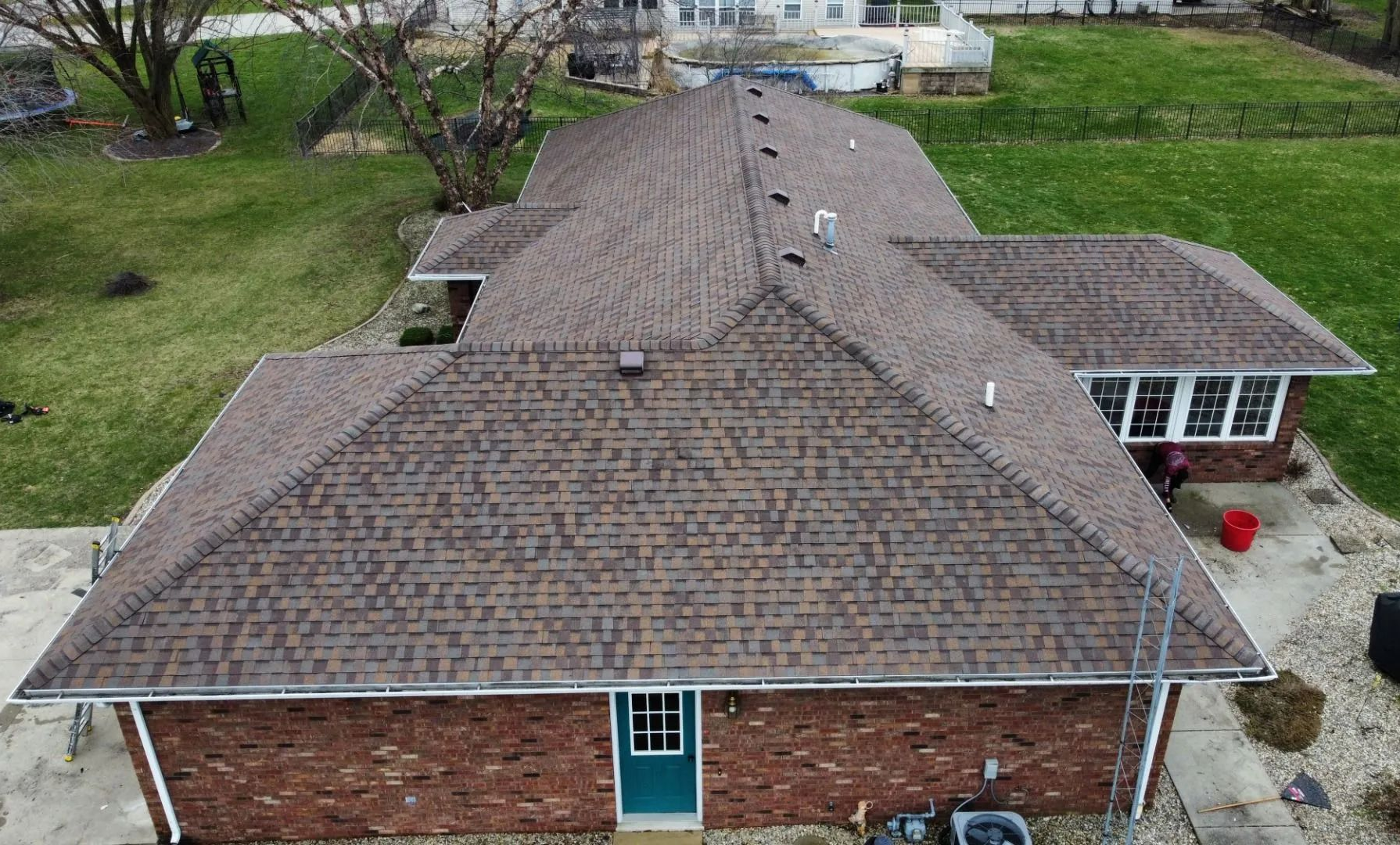
Shingles that stick up, ripple, or appear wavy may indicate improper nailing or an uneven roof deck, making them more vulnerable to wind damage.
Rows That Wander
Shingle courses should run straight and parallel to the roof edge. Crooked rows suggest rushed installation and may expose nails or create gaps.
Vertical Seams That Line Up
Shingle joints should be staggered between rows, like bricks in a wall. Aligned seams create potential pathways for water to penetrate underlying layers.
Gutters That Overflow When They Are Clean
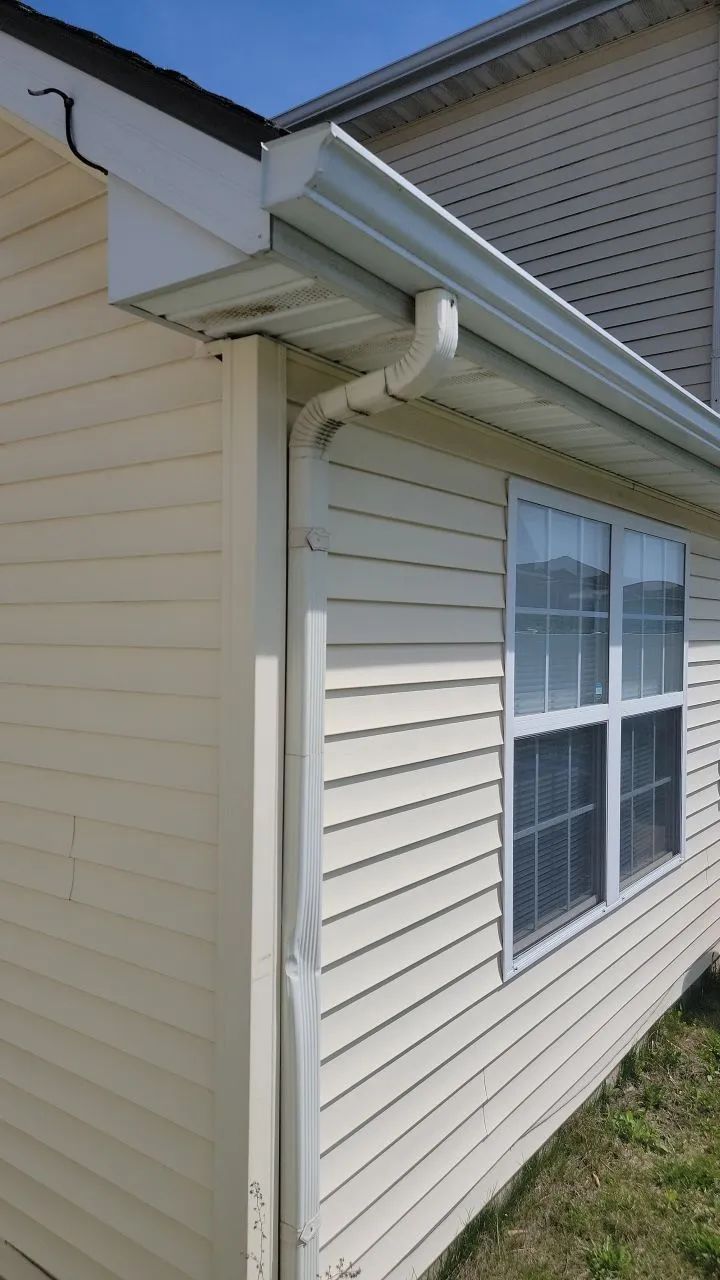
Clean gutters that overflow may indicate improper roof edge installation, drip edge placement, or gutter slope, preventing water from draining correctly.
Dark Streaks Or Damp Spots On The Siding Below The Roofline
Water missing the gutters may run down exterior walls, leaving dark stains or damp spots beneath the eaves and around corners.
Debris Of A Different Kind
Excessive granules in gutters after installation or shingle fragments in the yard after mild winds may indicate shingles that failed to seal properly.
TIP: Take clear photos of your roof from the ground right after installation, when everything is new. A set of dated pictures makes it much easier to compare later and spot changes in alignment, color, or missing pieces.
Signs Found in the Attic and on Your Ceilings
Some of the most telling clues sit inside the house. A short trip to the attic with a flashlight can reveal problems the roof surface hides.
Daylight Where There Should Be None
Small points of daylight through the roof deck indicate possible openings. Check areas around vents, pipes, and chimneys for gaps.
Dark Staining On The Underside Of The Deck
Dark streaks, rings, or discolored wood near nails and roof penetrations suggest moisture intrusion, especially when fresh stains appear after storms.
Nail Points That Look Rusty
Rust on exposed nail tips may indicate attic condensation caused by poor ventilation or moisture entering through the roof surface.
Damp Or Compressed Insulation
Wet, flattened, or stained insulation near eaves and roof penetrations indicates moisture accumulation and may help identify potential leak locations.
A Musty Smell Or Fogged Windows After A Rain
Musty odors or fogged windows after rainfall may indicate trapped attic moisture caused by roof leaks, inadequate ventilation, or both.
Ceiling Stains That Appear And Fade
Ceiling stains that darken after rain and later dry often indicate slow leaks. Water may travel along rafters before dripping indoors.
Where Poor Installation Hides: Flashing, Valleys, and Edges
Most roof leaks do not begin in the open field of shingles. They begin where the roof changes direction or something passes through it. These are the details where craftsmanship matters most.
Flashing At The Chimney
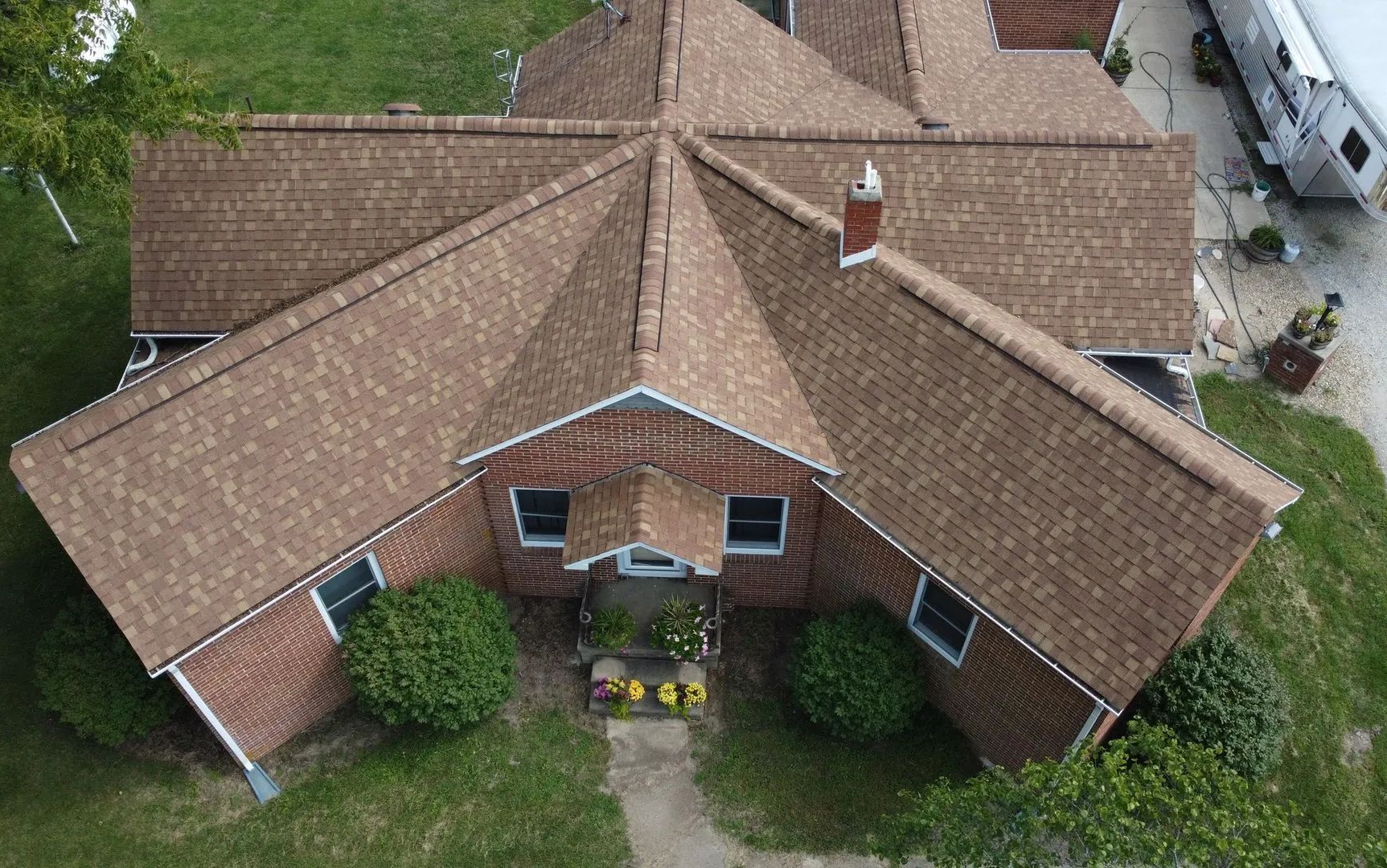
Chimneys need properly integrated metal flashing sealed into the masonry. Thick roofing cement globs around the base may indicate inadequate flashing or temporary repairs.
Step Flashing Along Walls And Dormers
Metal step flashing should overlap like shingles where roofs meet vertical walls. Extra nails, visible cement, or missing pieces may signal improper installation.
Plumbing Vent Boots And Other Penetrations
Rubber vent pipe collars deteriorate over time, while poorly sealed boots, cable mounts, and satellite brackets can create leaks before surrounding shingles show wear.
Valleys
Roof valleys channel water from two slopes, making proper lining essential. Uneven cuts or missing metal and membrane protection can create vulnerable leak points.
Drip Edge
Metal drip edge directs water away from the roof deck and fascia. Missing or poorly fitted sections can cause roofline rot, stained boards, and soft wood.
Ice And Water Protection At Vulnerable Areas
Waterproof membranes along eaves and valleys help prevent leaks when freezing weather causes water to back up beneath shingles during freeze-thaw cycles.
WARNING: Climbing onto a roof to look for these problems is dangerous, especially on steep slopes, in wet or frosty conditions, or alone. Use binoculars from the ground or ask a roofing professional to inspect it safely.
Hidden Layers: Underlayment, Fasteners, and Ventilation
Some installation errors cannot be seen without lifting shingles or opening up the attic, but they leave clues.
Fasteners
Nails must be correctly positioned and driven to the proper depth. Overdriven, raised, misplaced, or insufficient nails weaken shingle attachment and increase wind damage risks.
Underlayment
Underlayment provides a backup water barrier beneath shingles. Wrinkled, torn, or missing sections can compromise protection and create visible ridges or uneven dips.
Shingle Exposure
Shingles must expose the correct surface area to maintain proper overlap. Incorrect exposure can disrupt layering and create gaps that allow water intrusion.
Weather At The Time Of Installation
Shingles rely on factory-applied adhesive strips that activate with warmth. Cold weather may delay sealing, while rainy conditions can trap moisture beneath roofing materials.
Ventilation
Proper attic ventilation removes excess heat and moisture throughout the year. Poor airflow can cause hot attics, frost on nail tips, and premature shingle deterioration.
What to Do If You Suspect a Problem
If one or more of these signs sounds familiar, take a measured approach.
Document What You See
Photograph ceiling stains, loose shingles, gutter overflow, and attic discoloration. Record the date and weather conditions to help identify potential roofing problems.
Do Not Patch It Yourself With Sealant
Avoid covering suspected defects with roofing cement, as temporary patches can hide underlying problems and make accurate diagnosis more difficult later.
Contact The Original Contractor
Contact the original roofing contractor to review your concerns. If unavailable, arrange an independent inspection with a roofer who clearly explains their findings.
Ask For A Written Explanation
Request a written report identifying the problem, its location, and recommended repairs. This helps clarify whether minor maintenance or more extensive work is necessary.
Address Leaks Promptly
Repair leaks quickly to prevent further damage. Persistent moisture can saturate insulation and roof decking, increasing drying time and the likelihood of additional repairs.
Frequently Asked Questions
How soon after installation do problems with a poor roof show up?
Some appear within the first season, such as lifted shingles or leaks around flashing. Others take a couple of years, especially hidden issues like weak ventilation or minor underlayment flaws. Regular inspections help you catch them early.
Can a new roof leak even if the shingles are good quality?
Yes. Shingle quality matters, but leaks usually start at flashing, valleys, penetrations, or edges, where the installer's skill matters more than the shingle brand.
Is a few missing shingles after a storm a sign of poor installation?
Not always. Severe wind can damage any roof. If shingles come off repeatedly in ordinary breezes, or in a pattern along certain rows, installation may be the cause, and an inspection can tell you which.
Why do gutters overflow after a new roof is installed?
Common causes include clogged gutters, gutters that lost their slope, and edge details that send water past the trough. If the gutters are clean and still overflow, ask a roofer to look at the roof edge and gutter position together.
Does poor ventilation count as an installation problem?
It can. Ventilation is designed as part of the roof system. If intake at the eaves or exhaust near the ridge was not set up correctly, the attic can trap heat and moisture, which shortens shingle life and invites condensation.
Who should inspect a roof I think was installed badly?
An experienced roofing contractor who can explain findings in plain language is a good start. Ask them to show you photos and point out exactly where the problems are.
Building a Roof You Can Count On Again
A roof installed with care protects a property quietly for decades, while a poorly installed one announces its flaws through lifted shingles, stained ceilings, and gutters that spill over. Most of those signs show up long before serious damage, which leaves time to act. Looking at the roof from the ground, checking the attic after a storm, and watching details around chimneys, vents, and valleys all help. A prompt inspection separates a small fix from a deeper installation problem.
Guardian Roofing PLLC
has served homeowners and business owners in Sullivan, IL for 40
years, and that experience shows in how each roof is evaluated from the flashing and valleys to the edges and ventilation. Explaining what was found, where it sits, and what it would take to correct it lets owners decide with full information. When every layer of the system is built and checked properly, the roof sheds Central Illinois weather season after season and stays dependable for the long run.
Share this article