How Spring Storms in Central Illinois Can Damage Your Roof (And How to Prevent It)
March 20, 2026

Spring in Central Illinois brings warmer temperatures, but it also introduces some of the most unpredictable and damaging weather of the year. Heavy rain, strong winds, hail, and rapid temperature changes can all put serious stress on your roofing system. For homeowners in Sullivan, IL and surrounding areas, understanding how spring storms impact your roof—and how to prepare for them—can make a major difference in protecting your home.
A well-maintained roof is your first line of defense. Here’s what you need to know about spring storm damage and how to stay ahead of it.
Why Spring Storms Are So Tough on Illinois Roofs
Strong winds are one of the leading causes of roof damage in Central Illinois. Even a short storm can lift shingles, loosen flashing, or tear off sections of roofing material.
Signs of Wind Damage:
- Missing or displaced shingles
- Shingles that appear lifted or creased
- Exposed underlayment
- Debris scattered across the roof
Once shingles are loosened, your roof becomes vulnerable to water infiltration during the next rainstorm.
How to Prevent Wind Damage:
- Secure loose shingles or materials early
- Replace aging or worn roofing sections
- Schedule regular inspections, especially after winter
Hail Damage: Small Impacts, Big Problems
Hailstorms are common during Illinois spring weather and can cause damage that isn’t always immediately visible. Even small hailstones can weaken your roof over time.
Signs of Hail Damage:
- Dents or bruising on shingles
- Granule loss exposing darker areas
- Damage to gutters, vents, and flashing
- Soft spots on asphalt shingles
Hail damage can shorten the lifespan of your roof and lead to leaks if not addressed promptly.
Prevention Tips:
- Use high-quality, impact-resistant materials when possible
- Have your roof inspected after any hailstorm
- Address minor damage before it worsens
Heavy Rain and Water Intrusion
Spring storms often bring intense rainfall, sometimes over a short period. If your roof has any weak points, water can quickly find its way inside.
Common Issues from Heavy Rain:
- Roof leaks
- Water pooling on flat roofs
- Saturated underlayment
- Interior ceiling or wall damage
Clogged gutters can make this problem even worse by causing water to back up onto the roof.
How to Prevent Water Damage:
- Keep gutters and downspouts clean and functional
- Ensure proper roof drainage
- Repair damaged shingles or flashing promptly
- Check attic ventilation and insulation
Flashing Failures Around Vulnerable Areas
Flashing is designed to protect the most vulnerable parts of your roof, such as around chimneys, skylights, and vents. During storms, these areas are often the first to fail.
Signs of Flashing Problems:
- Loose or lifted metal pieces
- Cracked sealant
- Water stains near roof penetrations
Even a small gap in flashing can allow water to seep in during heavy rain.
Prevention Tips:
- Inspect flashing regularly
- Replace worn or damaged sealant
- Have a professional evaluate problem areas
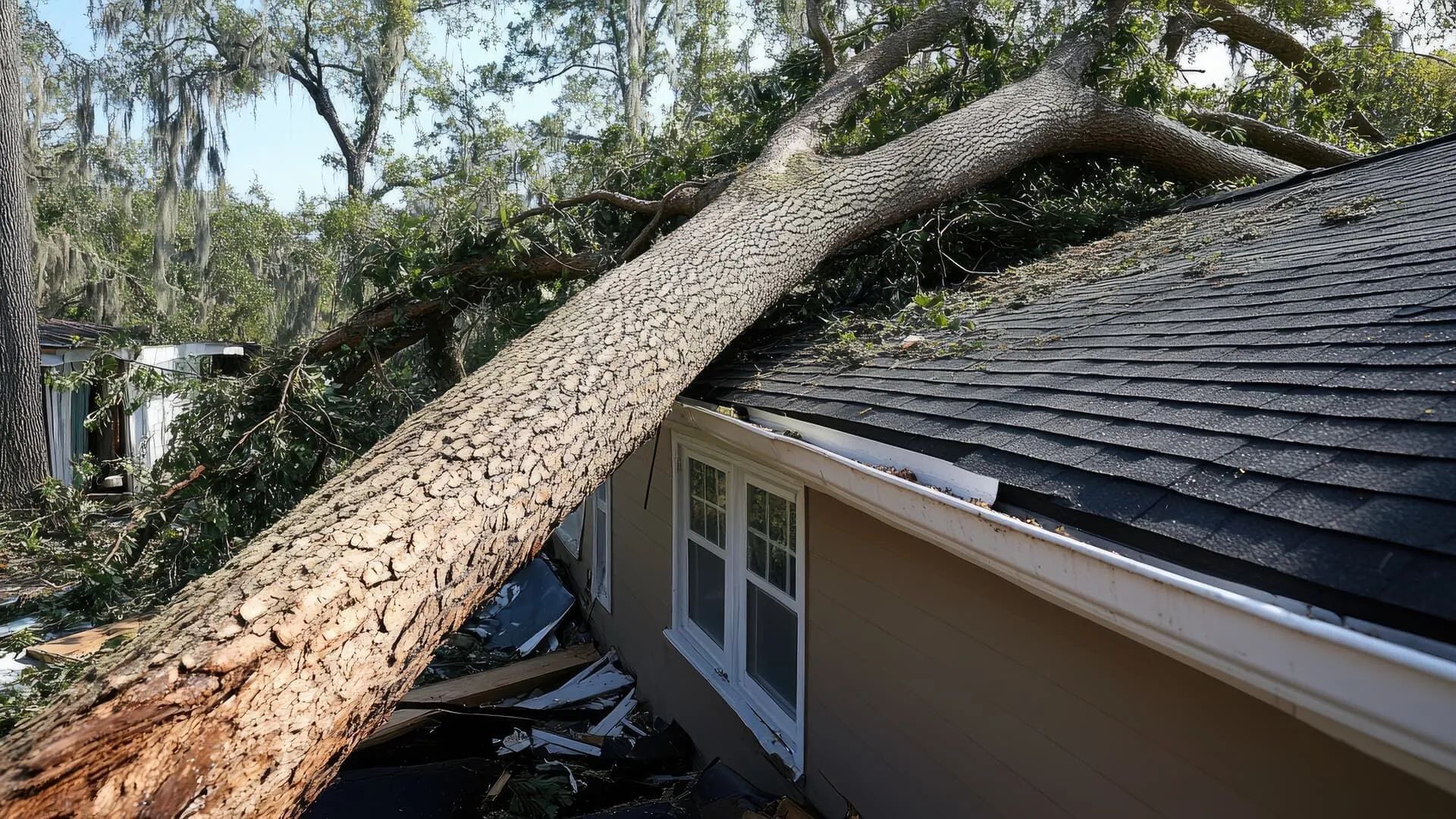
Tree Damage and Flying Debris
Spring storms often bring strong winds that can break branches or send debris flying. Trees near your home can pose a serious risk to your roof.
Potential Damage Includes:
- Punctured roofing materials
- Broken shingles or panels
- Structural damage from large branches
How to Reduce Risk:
- Trim back overhanging branches
- Remove dead or weak trees near your home
- Clear debris from your roof after storms
Temperature Swings and Material Stress
Spring weather in Illinois often includes rapid shifts between warm days and cooler nights. These fluctuations can cause roofing materials to expand and contract, leading to:
- Cracking or splitting
- Loosening of fasteners
- Increased wear over time
While this type of damage may not be immediate, it can weaken your roof and make it more vulnerable during storms.
Prevention Tips:
- Use durable, weather-resistant materials
- Address minor issues before they expand
- Maintain regular inspections
The Importance of a Pre-Storm Roof Inspection
One of the best ways to protect your home is by scheduling a roof inspection before storm season peaks. A professional inspection can identify weak spots that may not be visible from the ground.
Benefits of a pre-storm inspection include:
- Early detection of damage
- Preventative repairs
- Increased roof lifespan
- Peace of mind during severe weather
What to Do After a Spring Storm
Even with preparation, storms can still cause damage. Knowing what to do afterward can help minimize further issues.
Post-Storm Checklist:
- Perform a visual inspection from the ground
- Look for missing shingles or debris
- Check for interior signs of leaks
- Document any visible damage
- Contact a professional for a full inspection
If damage is significant, timely action can also help with insurance claims and prevent additional complications.
Climate and Plant Selection
Selecting appropriate vegetation is crucial for the success of green roofs in the Mid-Atlantic region. Native and drought-tolerant plants are ideal, ensuring survival during dry spells and high-intensity storms. Sedums, grasses, and other hardy species maintain runoff retention and resist seasonal stress, supporting regulatory compliance throughout the year.
Protect Your Roof Before the Next Storm Hits
Spring storms in Central Illinois are inevitable, but major roofing problems don’t have to be. By understanding the risks and taking proactive steps, you can significantly reduce the chances of costly damage.
Guardian Roofing PLLC
brings over 40
years of experience helping homeowners in Sullivan, IL stay protected through every season. From inspections and repairs to storm damage solutions, our team focuses on reliable workmanship and long-term protection.
If your roof hasn’t been inspected recently or you’ve noticed signs of damage, now is the time to act. Preparing your roof today can save you time, stress, and money when the next storm rolls through.


Share this article