Spring Roof Inspection Checklist for Illinois Homeowners

March 20, 2026

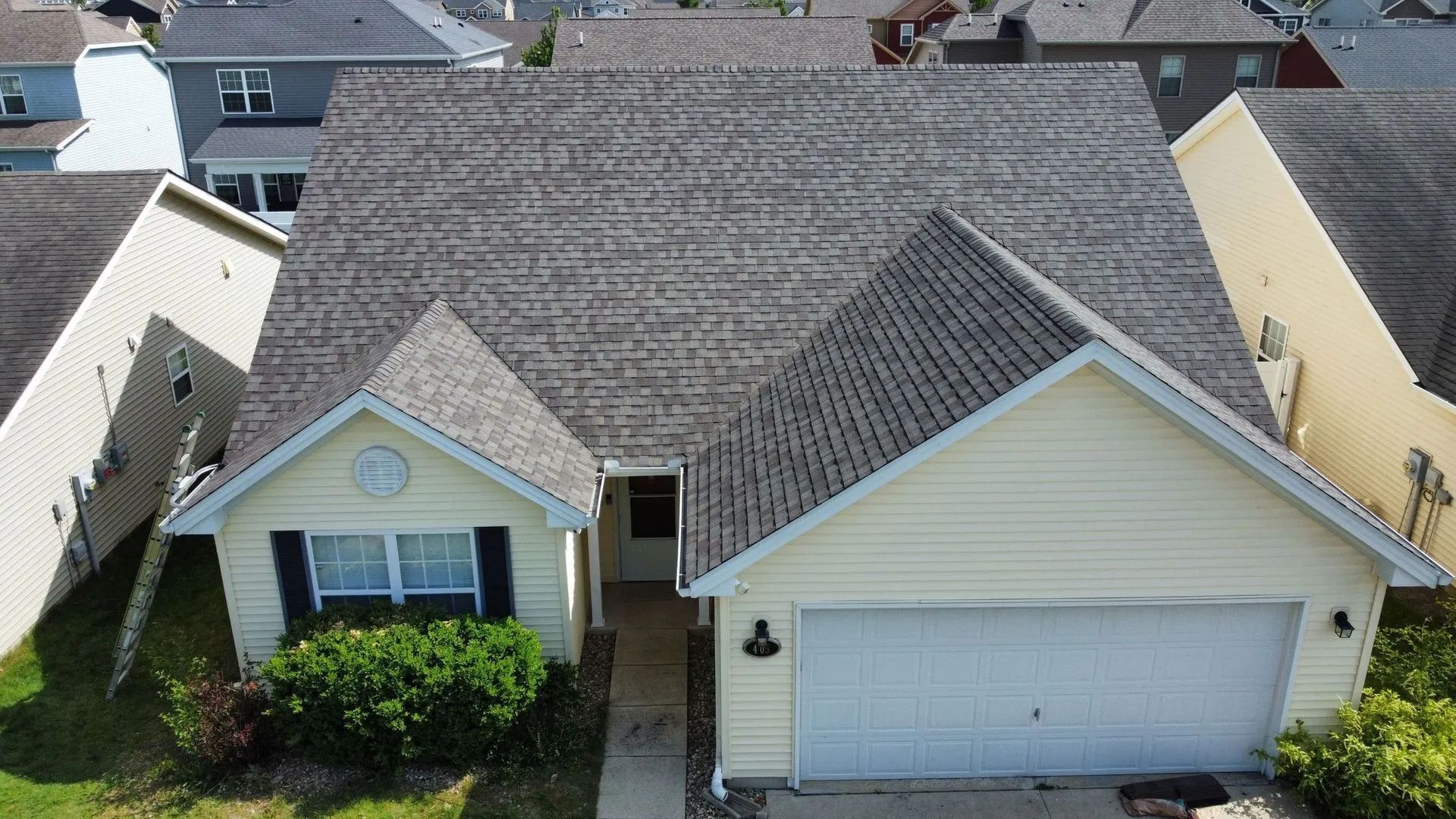
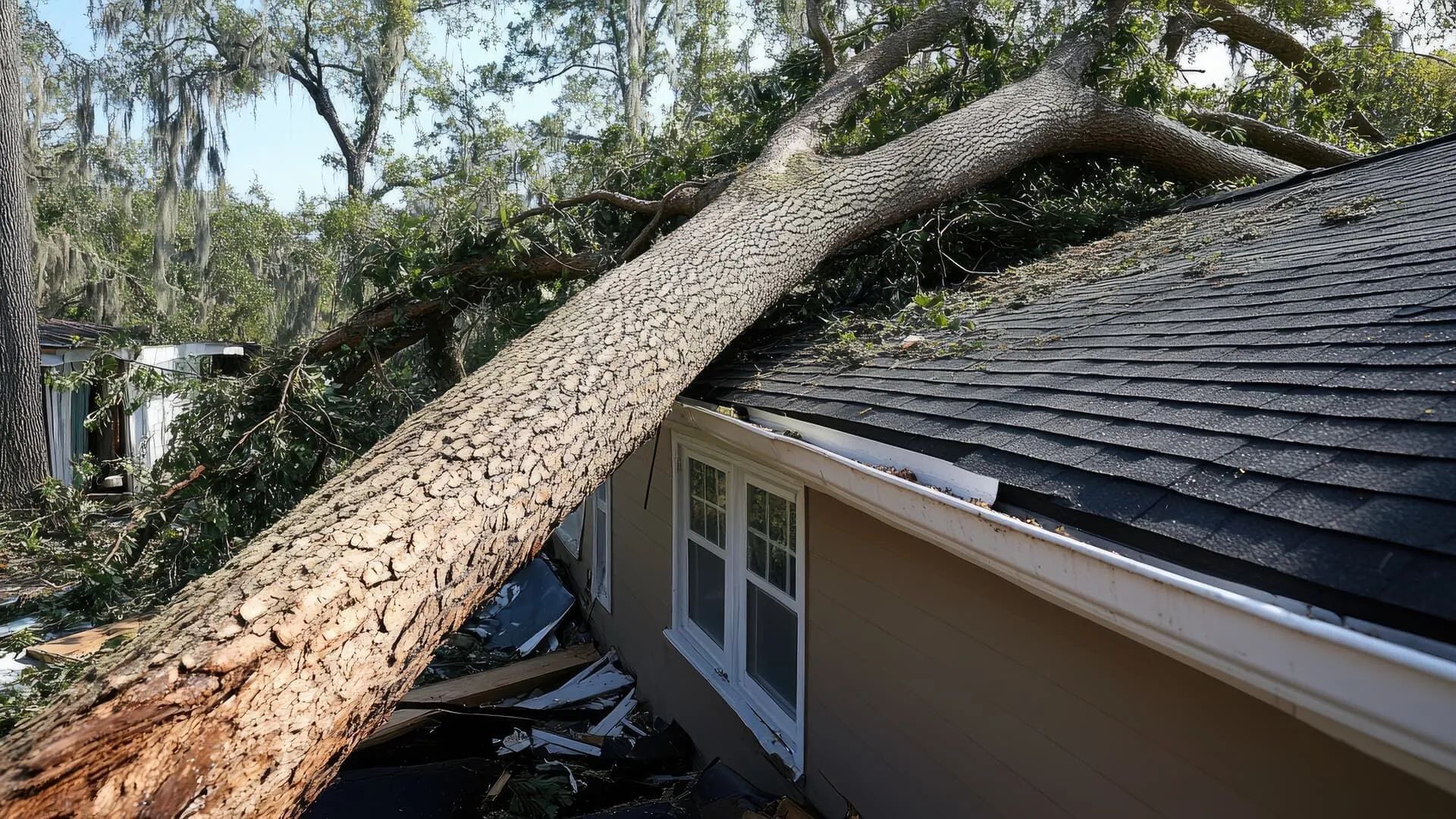
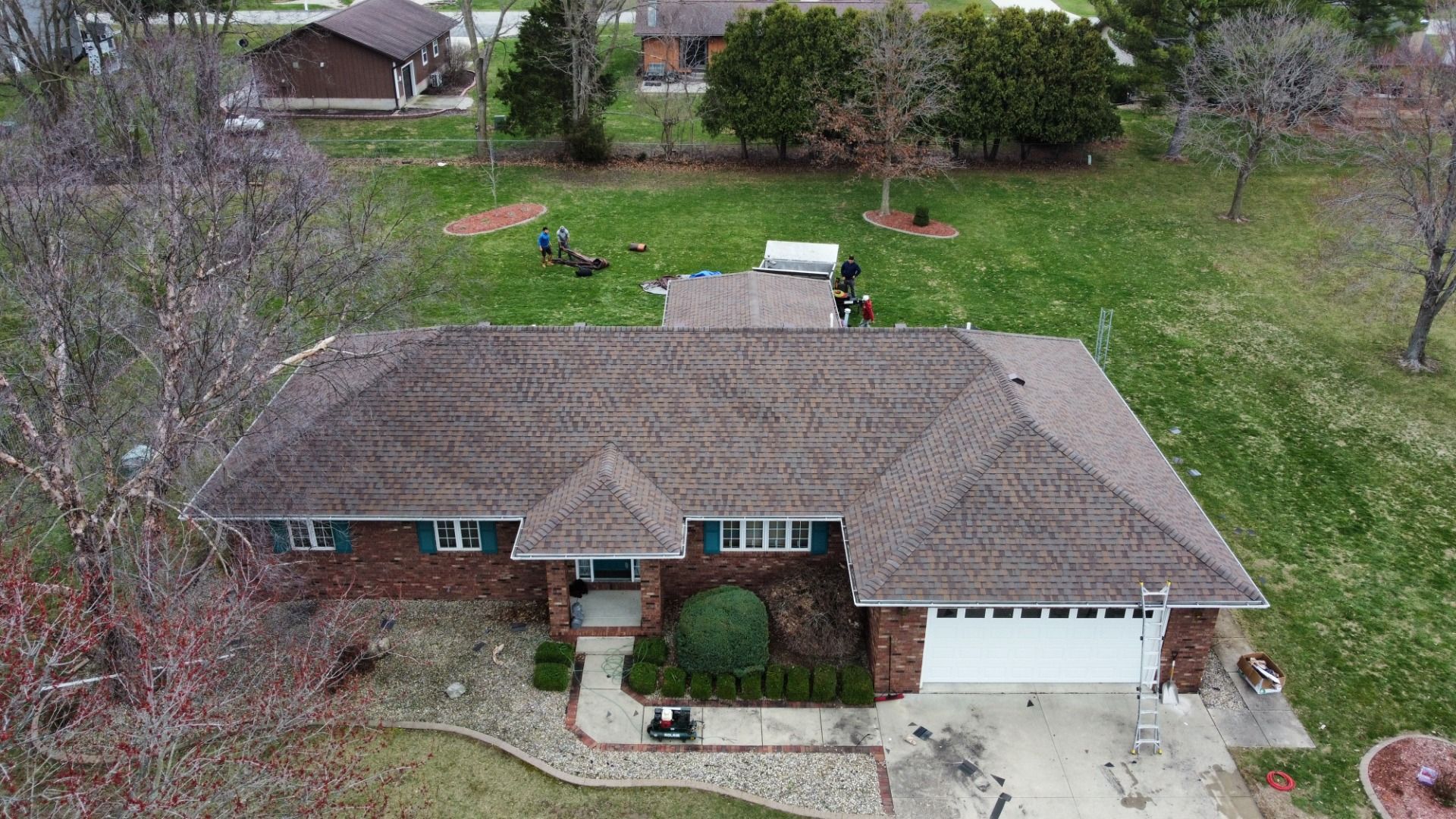
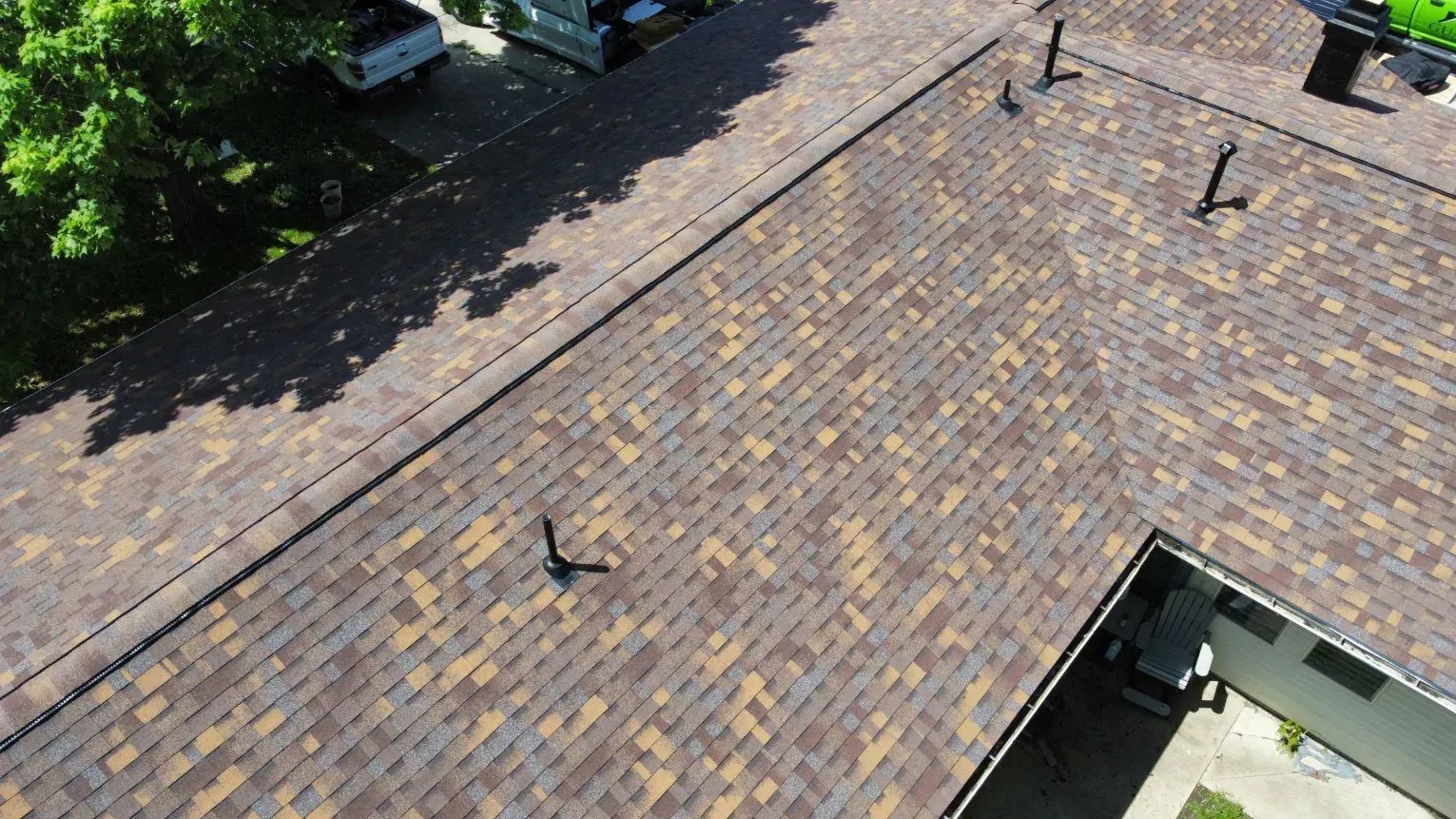
As winter fades and temperatures begin to rise, spring is the perfect time for homeowners in Sullivan, IL and surrounding areas to take a closer look at their roofs. Illinois winters can be tough on roofing systems, with freezing temperatures, snow accumulation, ice buildup, and fluctuating conditions all taking a toll. A thorough spring roof inspection helps identify damage early, prevent costly repairs, and extend the life of your roof.

Whether you plan to perform a basic visual check yourself or schedule a professional inspection, understanding what to look for is key. Here’s a complete spring roof inspection checklist designed specifically for homes in Central Illinois.

Why Spring Roof Inspections Matter in Illinois

Illinois weather is known for its extremes. Winter brings freezing temperatures and snow, while spring introduces heavy rains, strong winds, and severe storms. These seasonal shifts can expose weaknesses in your roofing system that developed during the colder months.

By inspecting your roof in early spring, you can:

  • Catch damage caused by snow and ice
  • Identify leaks before spring rains worsen them
  • Prevent structural issues from developing
  • Prepare your home for storm season


Routine inspections are one of the most effective ways to protect your investment and avoid unexpected repair costs.

Start with a Ground-Level Inspection

Before climbing onto your roof, begin with a visual inspection from the ground. Walk around your property and look for obvious signs of damage.

Check for:

  • Missing or lifted shingles
  • Curling, cracking, or blistering shingles
  • Dark patches or discoloration
  • Debris buildup from branches or leaves
  • Sagging areas along the roofline


Using binoculars can help you get a closer look without putting yourself at risk. If anything appears out of place, it’s a good idea to have a professional take a closer look.

Inspect Shingles and Roofing Materials

Winter weather can weaken shingles, especially with repeated freeze-thaw cycles. Asphalt shingles may become brittle, while metal panels can loosen due to expansion and contraction.

Look for:

  • Loose or missing shingles
  • Granule loss (often found in gutters or at downspouts)
  • Damaged flashing around chimneys and vents
  • Rust or corrosion on metal roofing


Granule loss is especially important to watch for, as it reduces the roof’s ability to protect against UV rays and moisture.

Check for Signs of Leaks and Water Damage

Spring rains can quickly turn small issues into major problems. Inspect both the exterior and interior of your home for signs of water intrusion.

Inside your home, look for:

  • Water stains on ceilings or walls
  • Peeling paint or bubbling drywall
  • Musty odors in the attic
  • Visible mold or mildew


In the attic, check for damp insulation, dark spots on wood surfaces, or daylight coming through the roof boards. These are all signs that your roof may have been compromised during the winter.

Evaluate Flashing and Roof Penetrations

Flashing is one of the most vulnerable parts of your roofing system. It seals areas around chimneys, skylights, vents, and other penetrations. Over time, flashing can crack, loosen, or pull away due to weather exposure.

During your inspection, check for:

  • Cracked or bent flashing
  • Gaps where water could enter
  • Loose sealant around vents and pipes


Damaged flashing is a common source of leaks, especially after harsh winters.

Clean and Inspect Gutters and Downspouts

Your gutter system plays a critical role in protecting your roof and foundation. After winter, gutters often become clogged with debris, preventing proper drainage.

Make sure to:

  • Remove leaves, twigs, and debris
  • Check for sagging or detached sections
  • Ensure downspouts are directing water away from your home
  • Look for granules from shingles in the gutters


Clogged or damaged gutters can cause water to back up onto your roof, leading to leaks and structural damage.

Look for Ice Dam Damage

Ice dams are a common issue during Illinois winters. They form when heat escapes from your attic, causing snow to melt and refreeze at the roof’s edge. This can trap water and force it under your shingles.

Signs of ice dam damage include:

  • Water stains along exterior walls
  • Damaged shingles near the roof edge
  • Peeling paint or warped siding
  • Interior leaks near ceilings and walls


If you notice any of these issues, it’s important to address them quickly to prevent further damage.

Trim Overhanging Branches and Clear Debris

Spring is also a great time to address any nearby trees that could impact your roof. Overhanging branches can scrape against shingles, drop debris, and increase the risk of damage during storms.

Be sure to:

  • Trim branches away from the roofline
  • Remove debris that has accumulated on the roof
  • Check for signs of animal activity or nesting


Keeping your roof clear helps improve its lifespan and reduces the risk of future issues.

Prepare for Spring Storm Season

Central Illinois is no stranger to strong spring storms, including heavy rain, high winds, and hail. A properly maintained roof is your first line of defense.

Before storm season hits:

  • Ensure all roofing materials are secure
  • Address any loose or damaged areas
  • Schedule repairs if needed
  • Consider a professional inspection for peace of mind


Taking proactive steps now can help you avoid emergency repairs later.

When to Call a Professional Roofing Contractor

While homeowners can perform basic inspections, some issues require a trained eye. If you notice signs of damage or simply want a thorough evaluation, it’s best to contact a professional.

A professional inspection can:

  • Identify hidden damage
  • Provide detailed recommendations
  • Help with insurance documentation if needed
  • Ensure your roof is ready for the months ahead

Climate and Plant Selection

Selecting appropriate vegetation is crucial for the success of green roofs in the Mid-Atlantic region. Native and drought-tolerant plants are ideal, ensuring survival during dry spells and high-intensity storms. Sedums, grasses, and other hardy species maintain runoff retention and resist seasonal stress, supporting regulatory compliance throughout the year.

Protect Your Home This Spring

Spring is the ideal time to give your roof the attention it deserves. After months of exposure to harsh winter conditions, even small issues can quickly escalate if left unaddressed. By following this checklist, homeowners in Sullivan, IL can stay ahead of problems and keep their homes protected year-round.

Guardian Roofing PLLC brings over 40 years of experience helping homeowners throughout Central Illinois maintain strong, reliable roofing systems. Whether you need a professional inspection, repairs, or guidance after a storm, our team is here to help you move forward with confidence.

If you’re unsure about the condition of your roof after winter, now is the time to take action. A simple inspection today can save you from costly repairs tomorrow.

March 28, 2026
A roof is one of the most critical components of any home, serving as the first line of defense against harsh weather conditions, water infiltration, and temperature extremes. In Illinois, where seasonal variations can be extreme—from icy winters to stormy springs—maintaining a strong and resilient roof is essential to protect a property’s structural integrity and ensure the safety of occupants. Knowing when a roof requires minor repairs versus a full replacement can save homeowners significant time, money, and stress, while also preventing further damage that may compromise the home’s value.  Determining the right course of action for roof maintenance requires careful observation and a clear understanding of warning signs, lifespan expectations, and potential repair costs. Homeowners often struggle to differentiate between problems that can be solved with targeted repairs and issues that necessitate a full roof replacement. This guide provides an in-depth look at key indicators, financial considerations, and decision-making strategies, offering actionable insights for property owners in Illinois who want to preserve the longevity and performance of their roofs.
An aerial view of a pink house with a new blue shingled roof, showing complex rooflines and surrounding landscaping.
March 20, 2026
Learn how spring storms in Illinois can damage your roof and what you can do to prevent costly repairs. Expert tips for homeowners in Sullivan, IL.
March 28, 2026
A roof is one of the most critical components of any home, serving as the first line of defense against harsh weather conditions, water infiltration, and temperature extremes. In Illinois, where seasonal variations can be extreme—from icy winters to stormy springs—maintaining a strong and resilient roof is essential to protect a property’s structural integrity and ensure the safety of occupants. Knowing when a roof requires minor repairs versus a full replacement can save homeowners significant time, money, and stress, while also preventing further damage that may compromise the home’s value.  Determining the right course of action for roof maintenance requires careful observation and a clear understanding of warning signs, lifespan expectations, and potential repair costs. Homeowners often struggle to differentiate between problems that can be solved with targeted repairs and issues that necessitate a full roof replacement. This guide provides an in-depth look at key indicators, financial considerations, and decision-making strategies, offering actionable insights for property owners in Illinois who want to preserve the longevity and performance of their roofs.
An aerial view of a pink house with a new blue shingled roof, showing complex rooflines and surrounding landscaping.
March 20, 2026
Learn how spring storms in Illinois can damage your roof and what you can do to prevent costly repairs. Expert tips for homeowners in Sullivan, IL.

Share this article